Words and photos by Streets Dept Contributor Eric Dale.
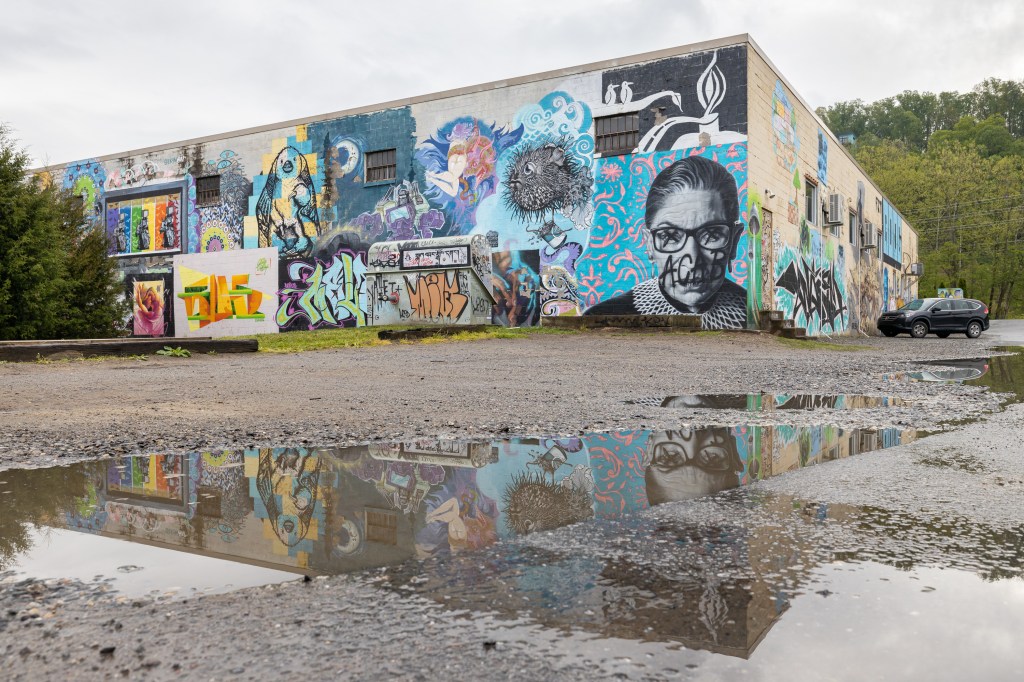
You probably don’t need Streets Dept to tell you that Asheville is an artistic city—it’s done a lot to earn that reputation. So let’s just dive into one of the artsiest areas in town: the River Arts District (RAD).
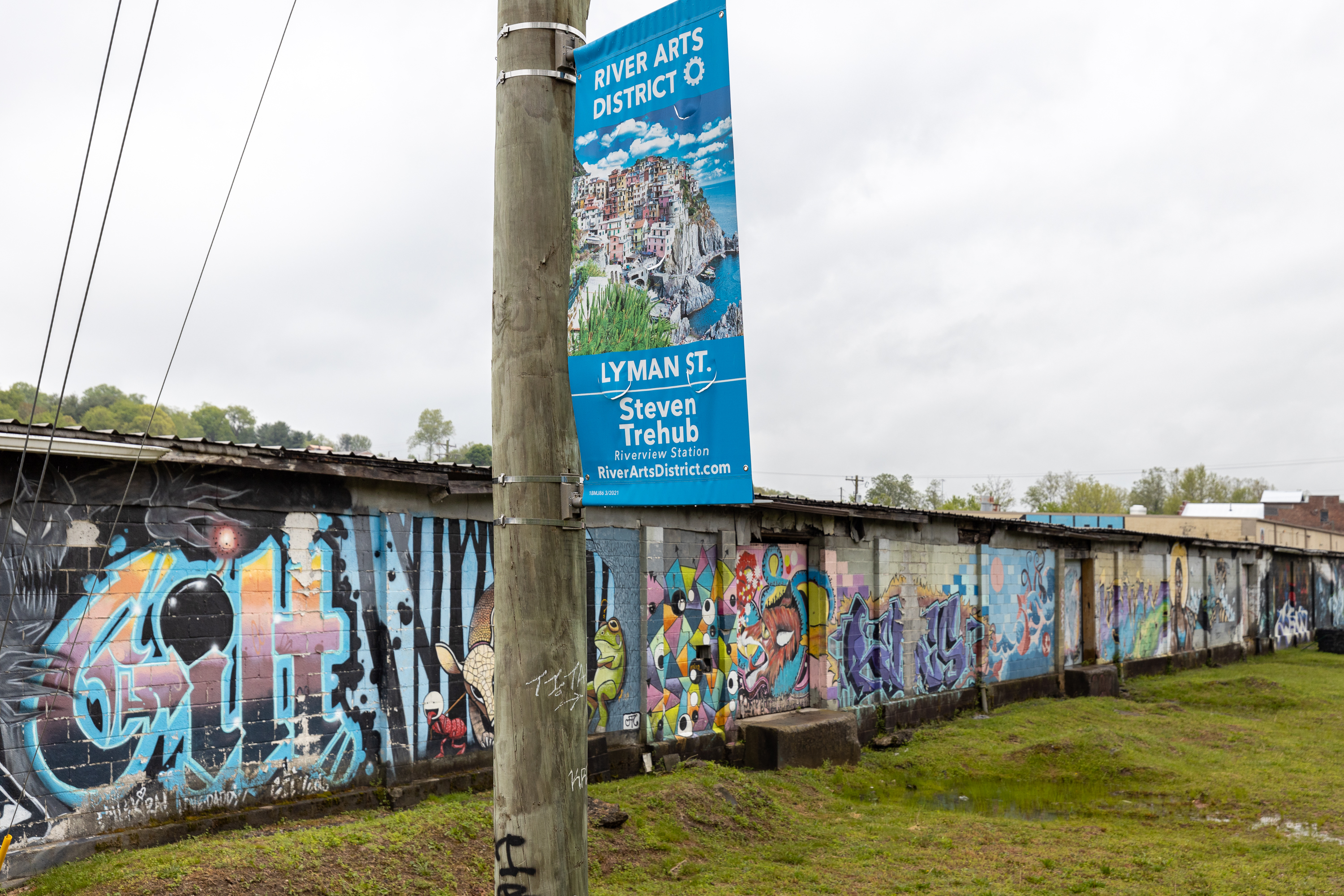
Historically, RAD was an industrial area. But as industry dried up and Asheville began to reinvent itself, artists began moving into the abandoned warehouses along the river. As development continued to pour in, the area blossomed into a thriving arts center, with more than 150 artists working in the area today. From art galleries and pottery studios to glassblowers and metalworkers, the area is filled with creativity. Here’s some of the wonderful public art I saw:
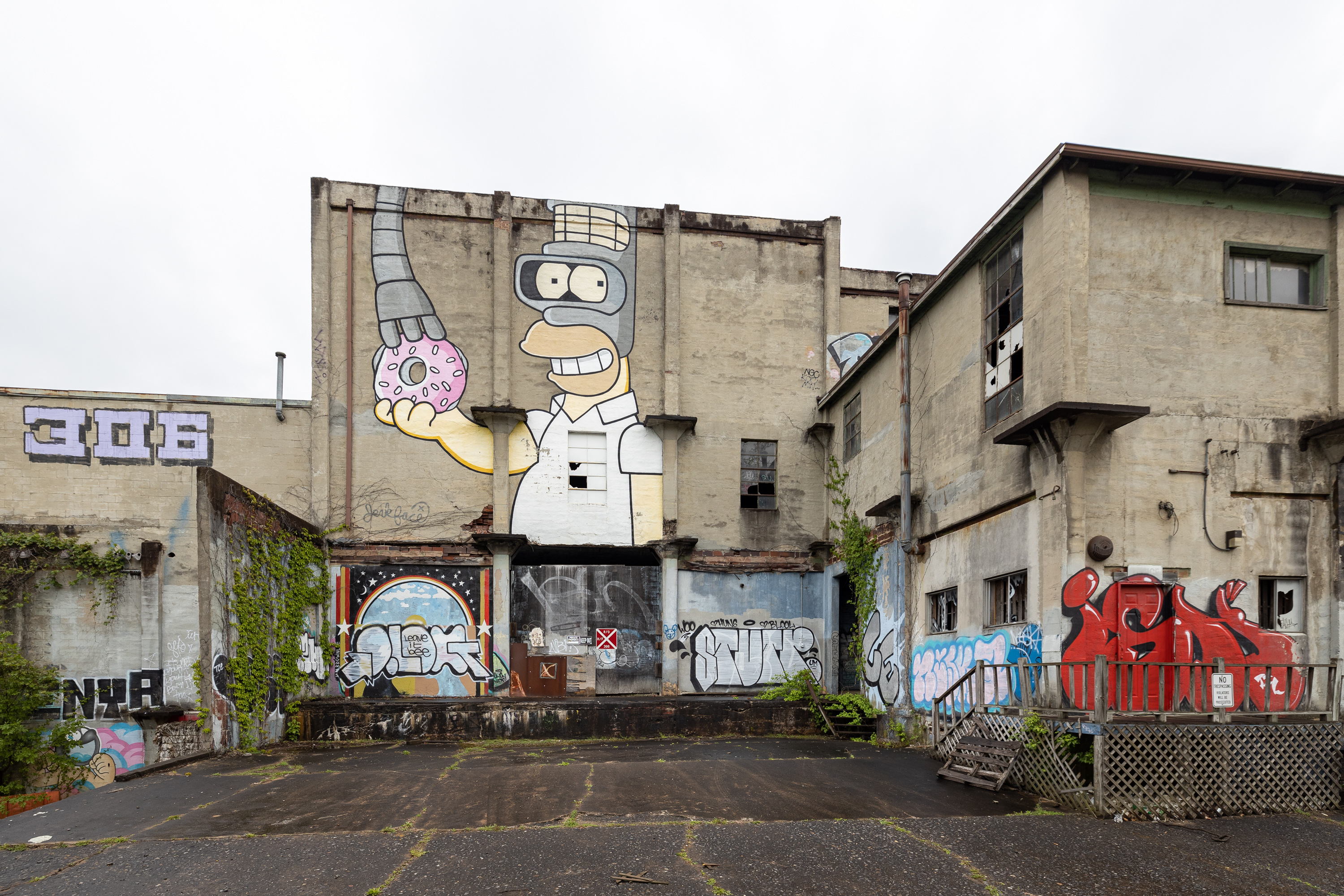
A huge mural by New York-based Jerkface.
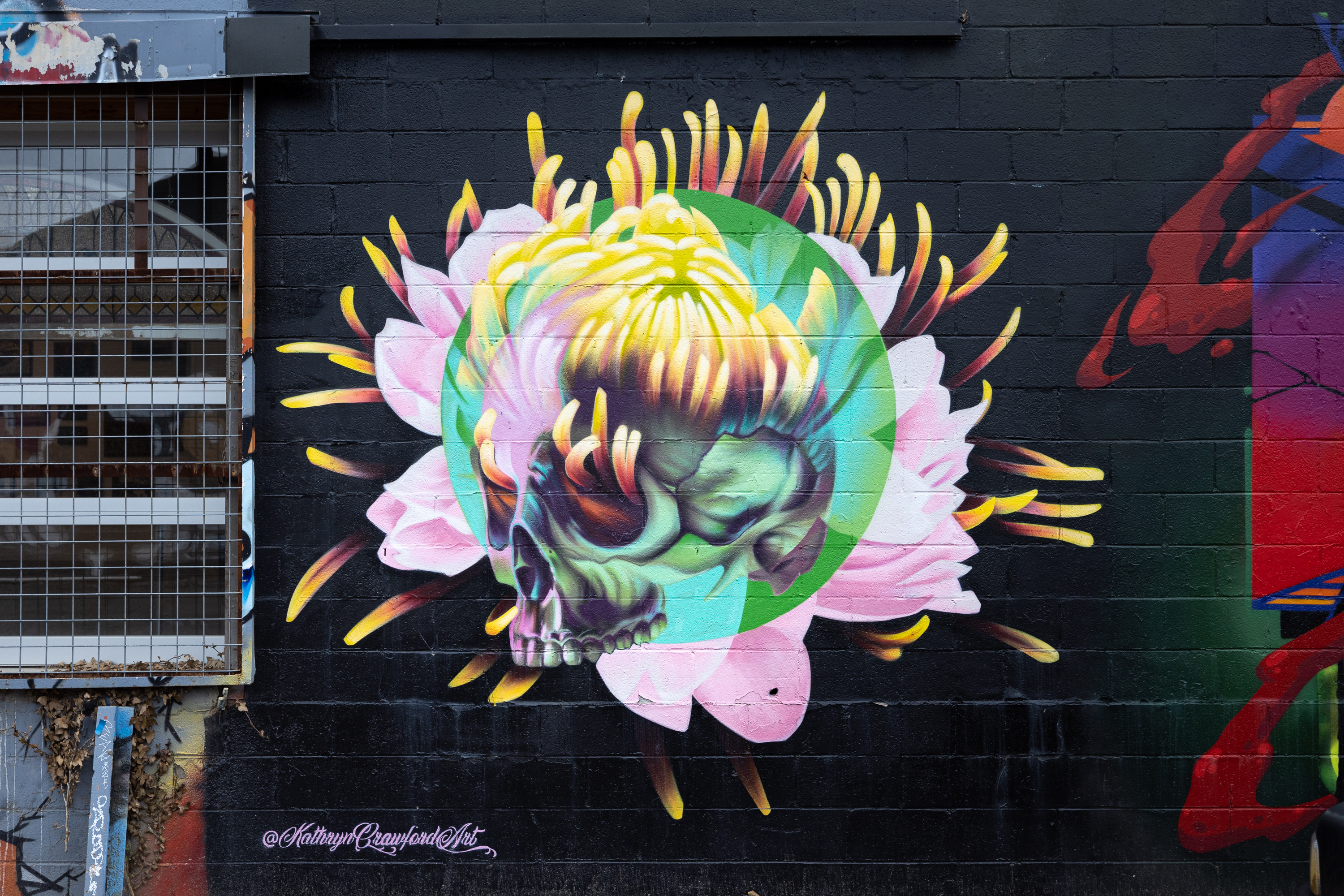
Lots of beautiful floral murals by Kathryn Crawford.
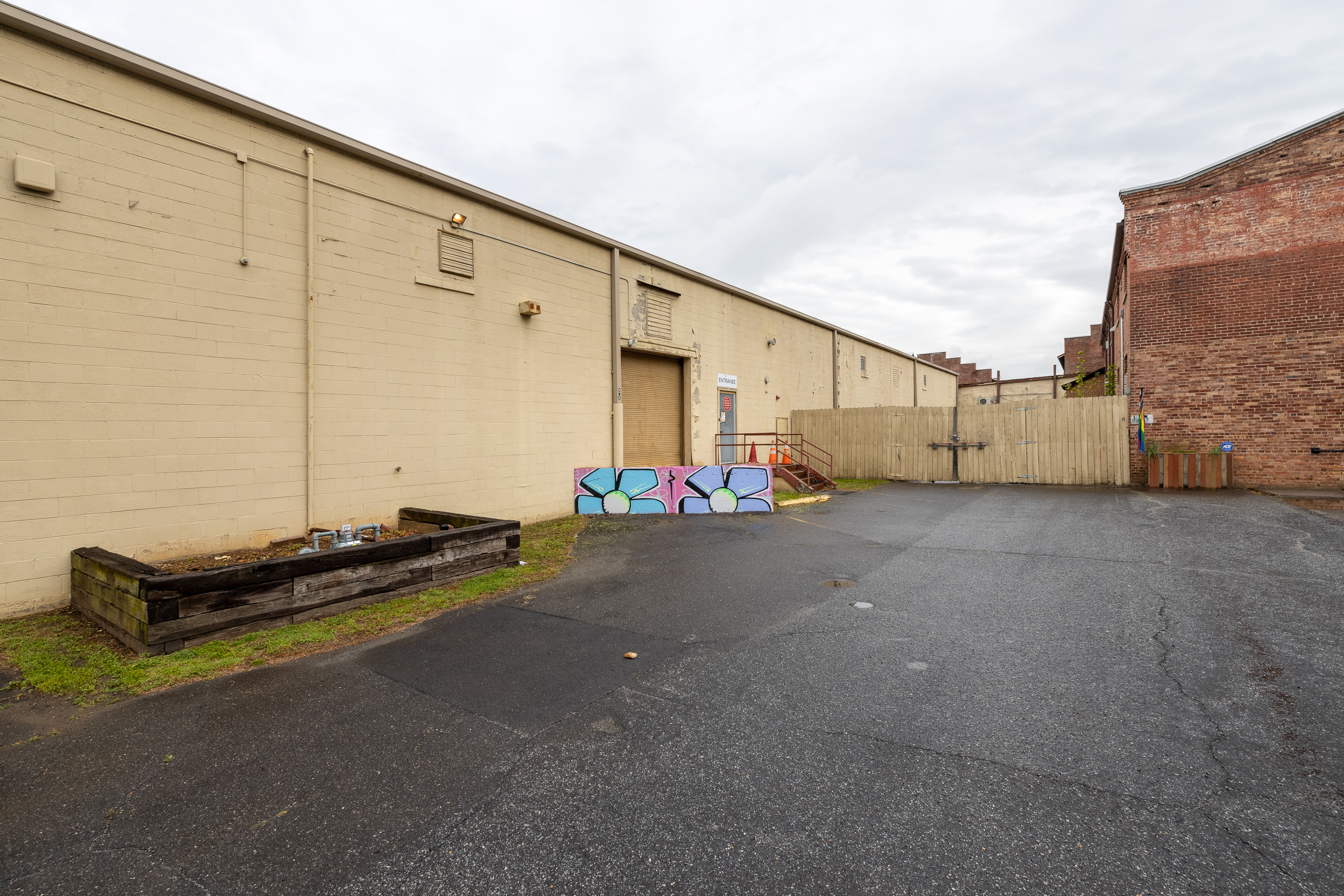
A pair of flowers by ZeFlorist.
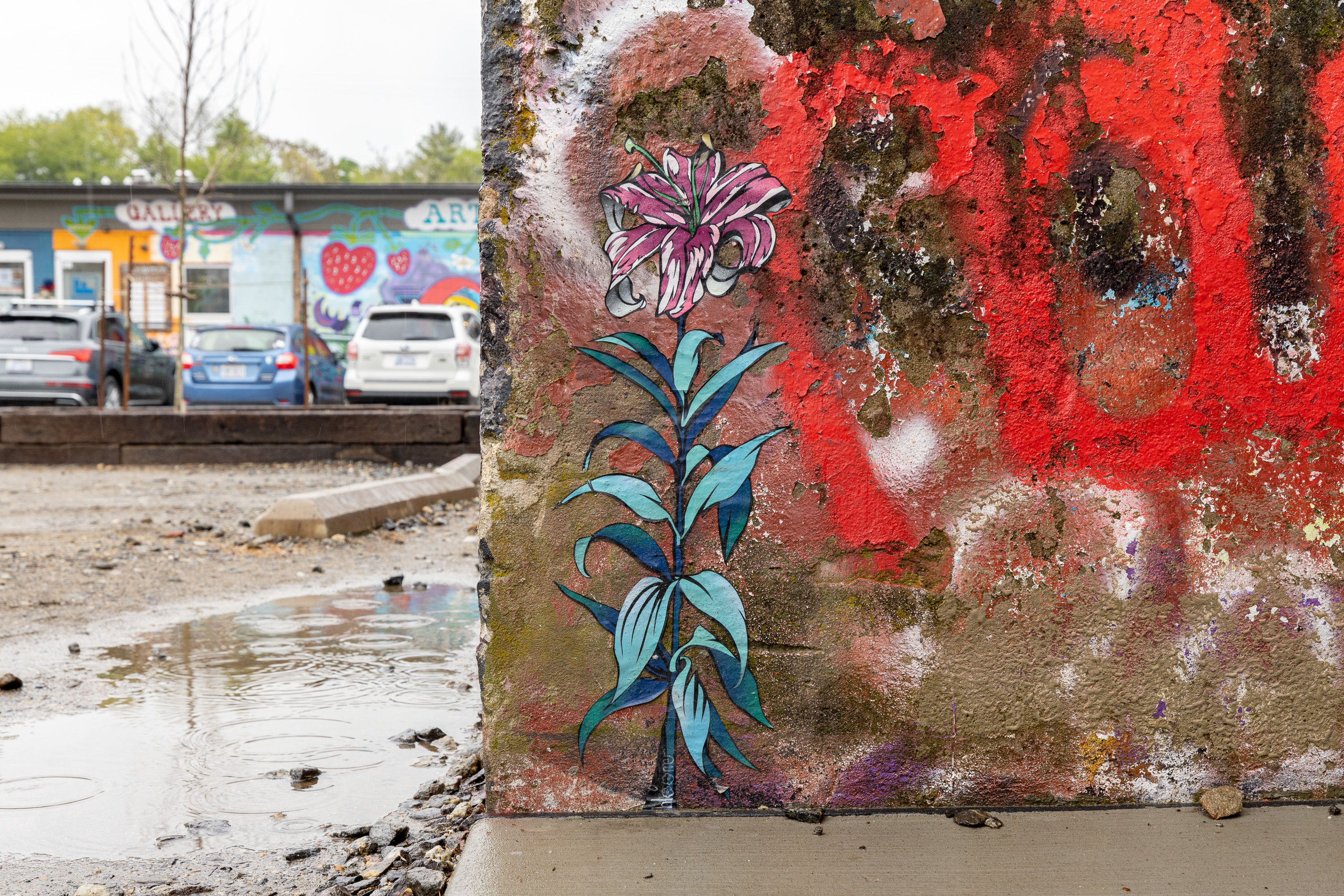
Ok, I guess I inadvertently selected a floral theme for these photos, because I also loved the wheatpastes I found by Bloomer.
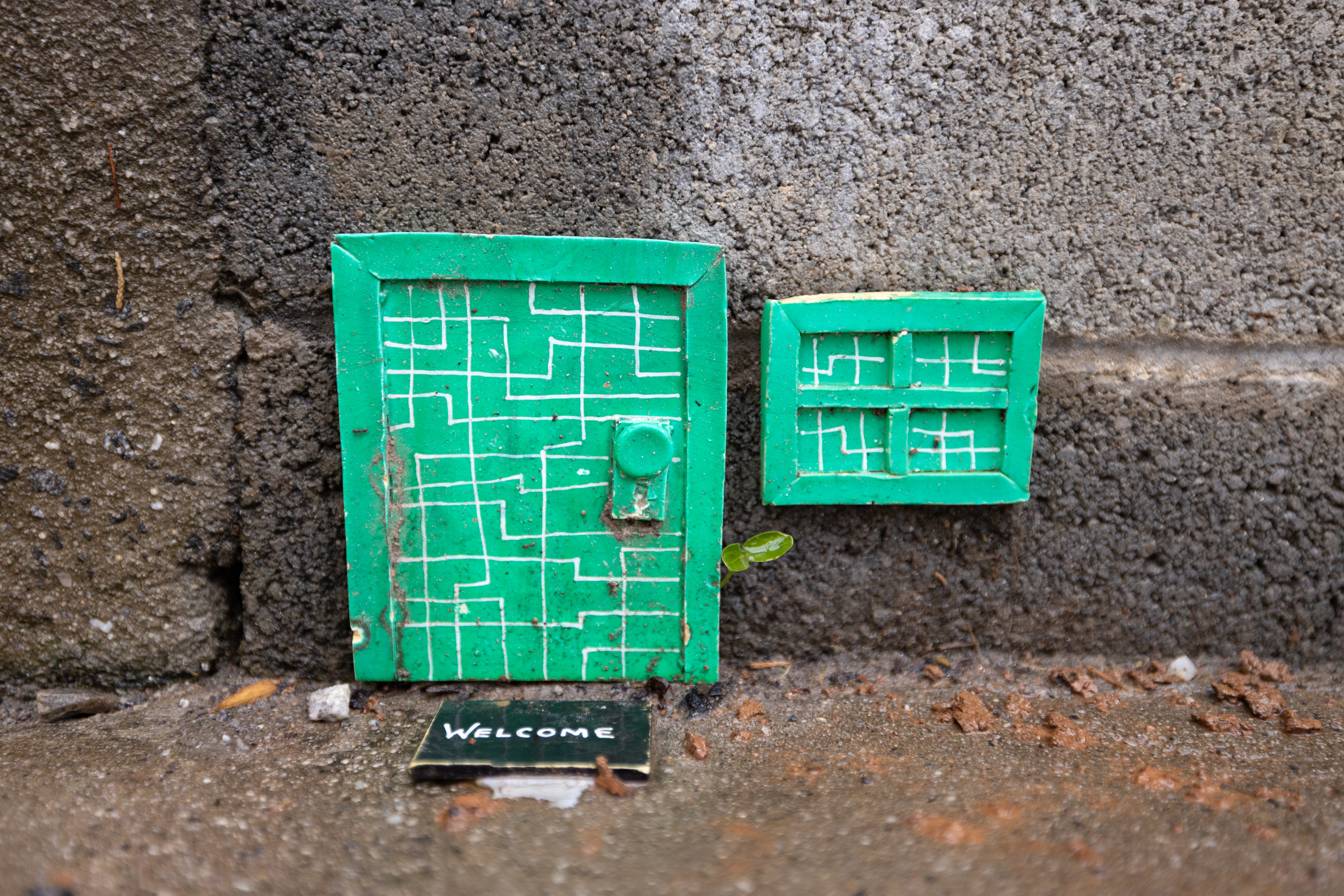
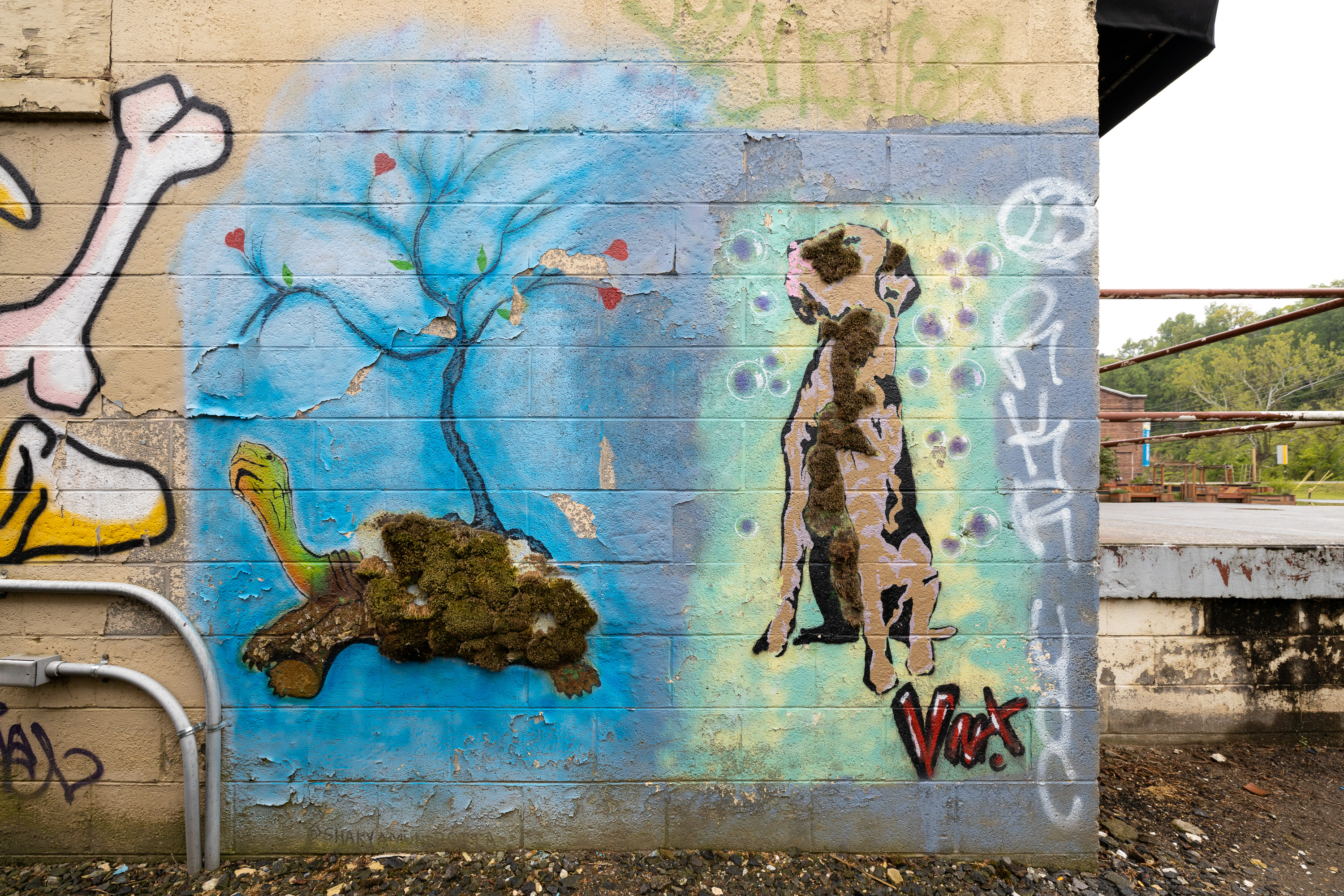
There were some very cool pieces that I could not identify, including a turtle and a dog that are partially composed of real live chunks of moss that had been attached to the wall!

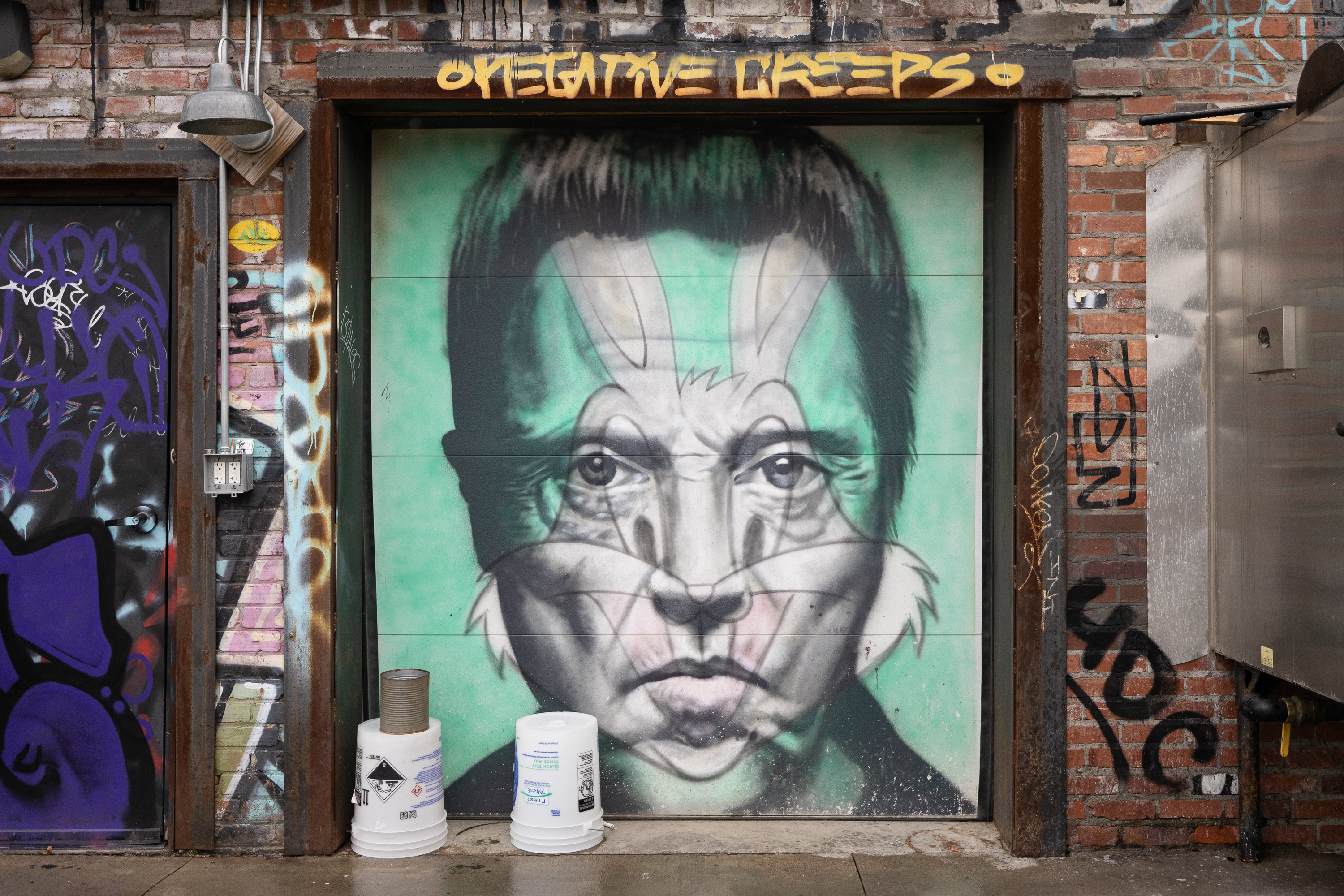
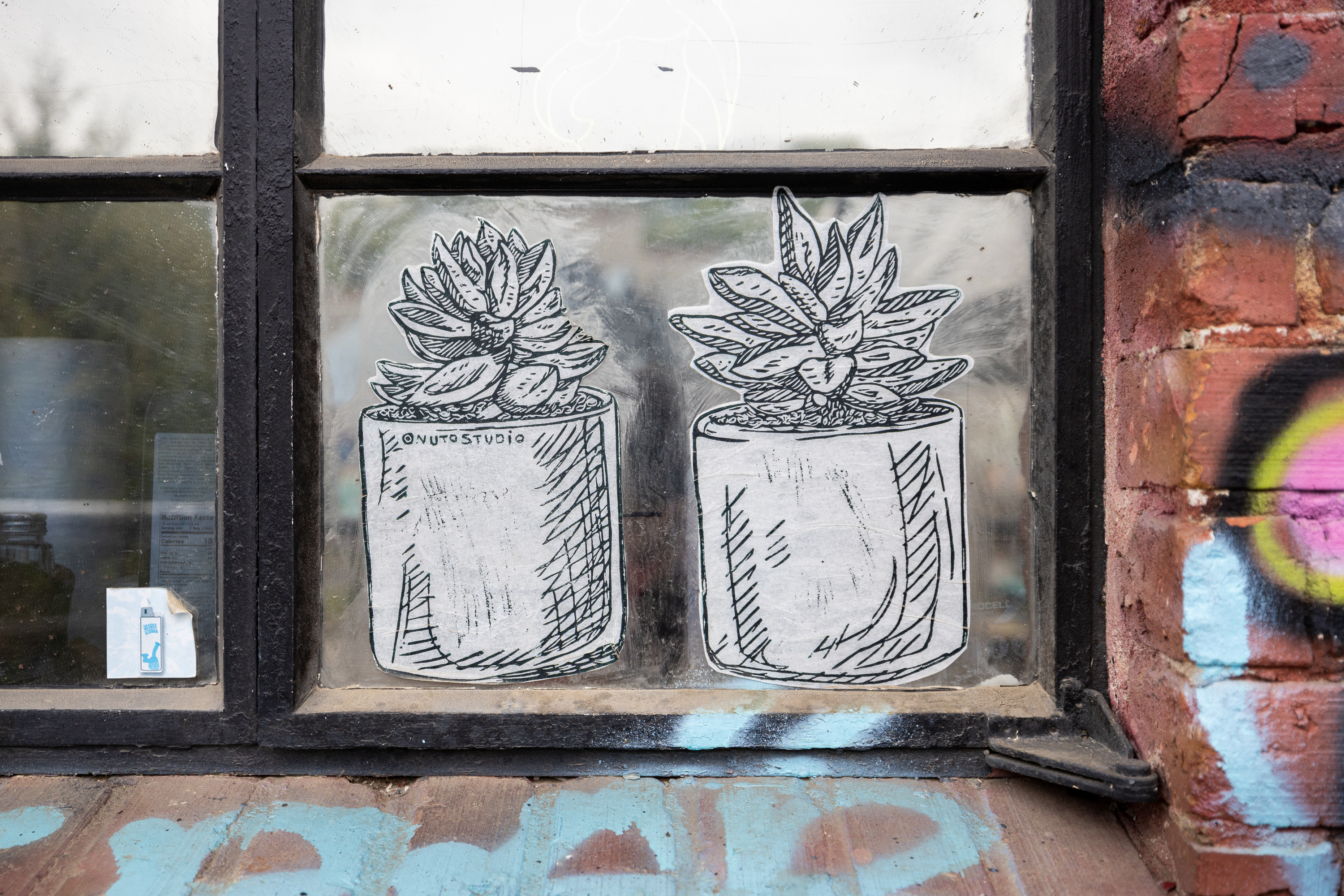
I also spotted a few familiar faces from Philly, like Bet The Farm, Void Skulls, and Nuto Studio. Who else thinks a Bloomer/Nuto collab would be great?

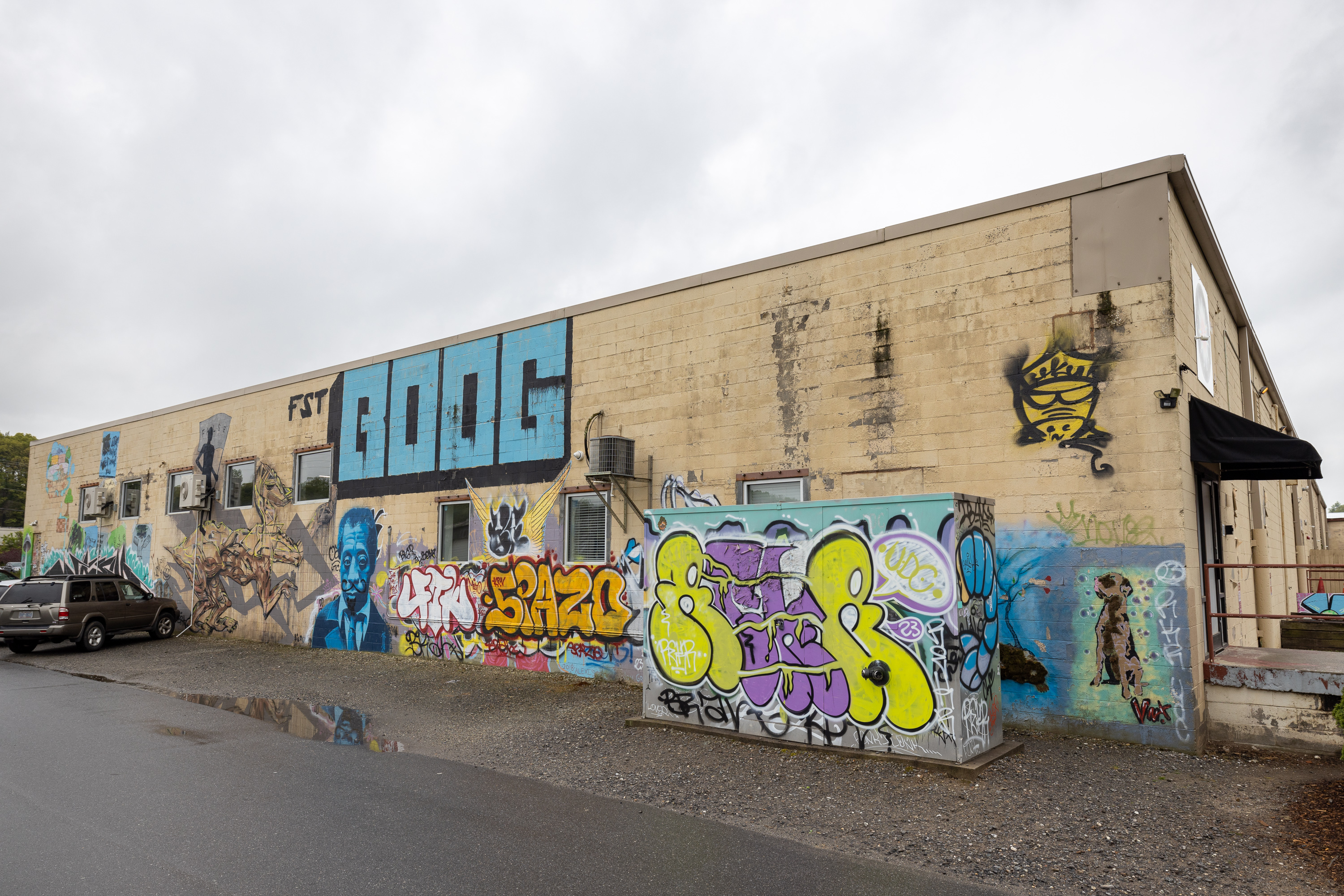
I also saw pieces by Philly writers BOOG and Pig Cop on what appears to be a freewall. Which brings me to the one thing that gave me pause as I walked around, particularly in the area called “The Foundation.” Because at a certain point, I noticed that not all the painted walls are free.
RAD is a very cool spot, and it’s tempting to accept the nice little bow-wrapped narrative that I outlined above as the truth, but I got the sense that there might be another truth here. There may be another part to this story—and I’ll be honest that there’s a healthy dose of speculation here, because this topic is very difficult to research. But I couldn’t help but feel like RAD is also a story of the disenfranchisement of graffiti writers. That subject is what I found myself exploring the most with my camera.
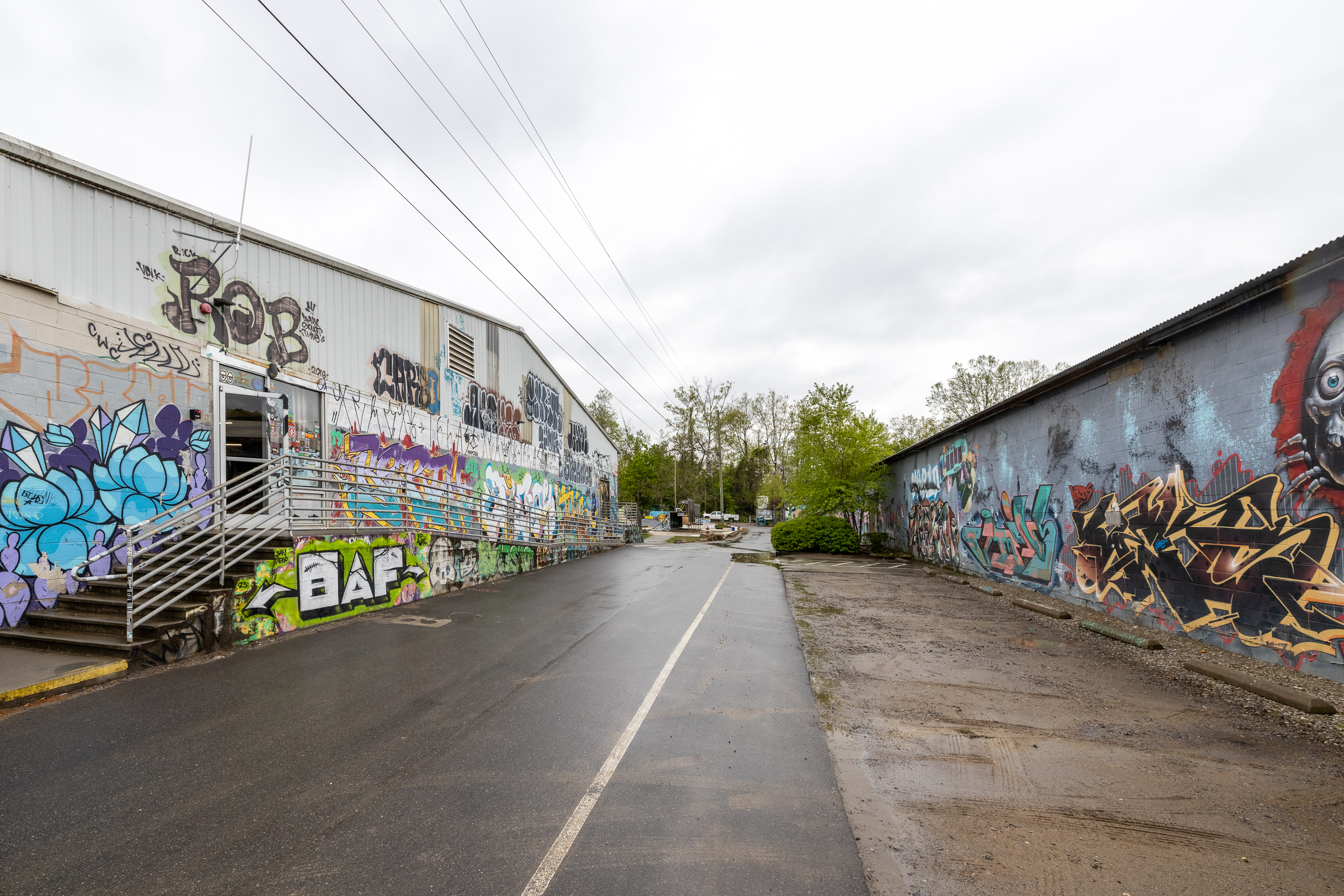
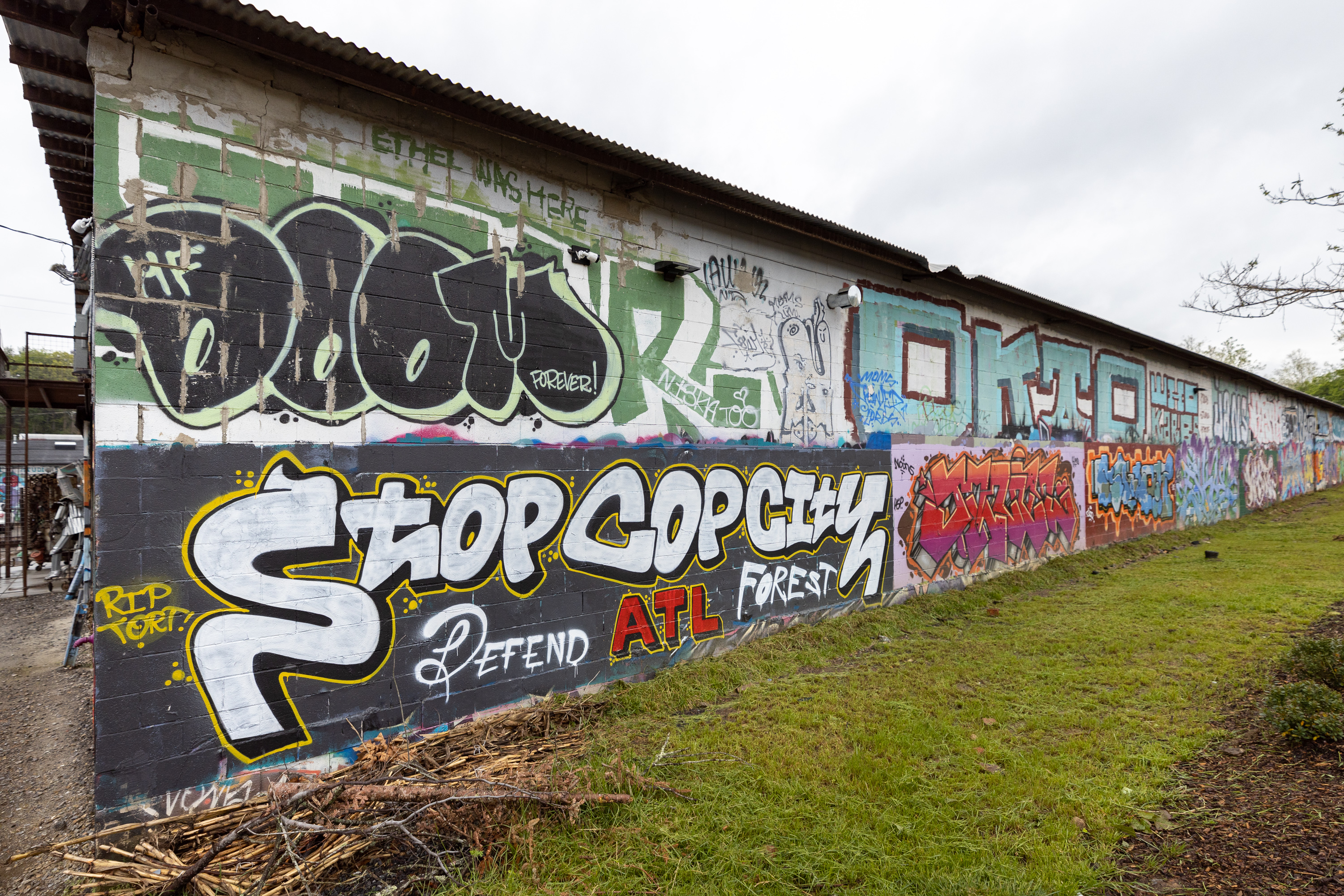
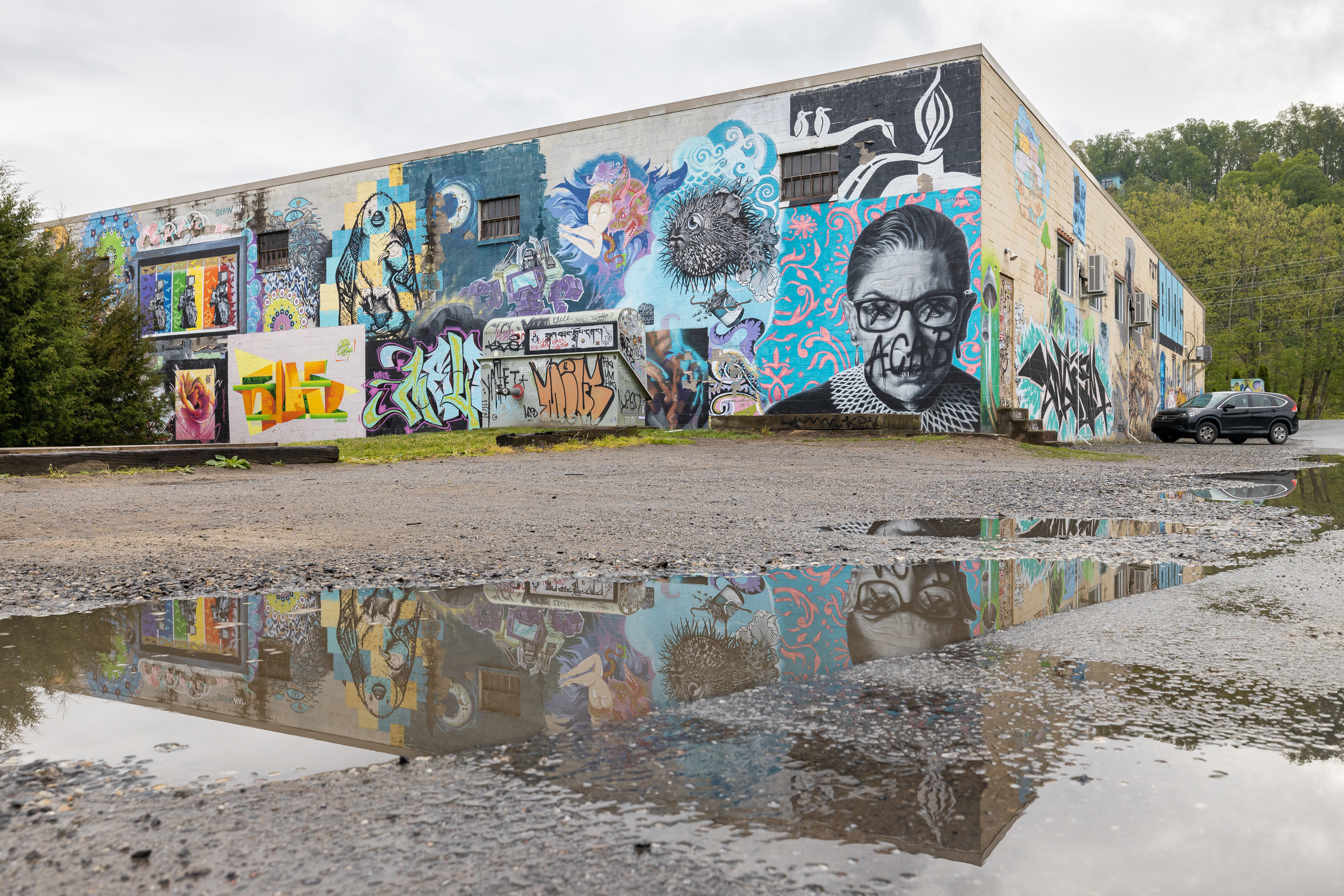
Throughout the Foundation, there are tons of beautiful murals and graffiti pieces. As is frequently the case with graffiti, it’s difficult to figure out when or how they came to be. But when I saw this building, it forced me to stop and think.

To me, this really looks like an abandoned structure that was painted on by graffiti writers before being renovated by the brewing company that now occupies the space—which decided to leave the graffiti as free decor. That feels like a pretty clear appropriation of the culture and the work. If that is indeed what happened here, that bothers me, especially because it does not appear that new graffiti is allowed on this building anymore.
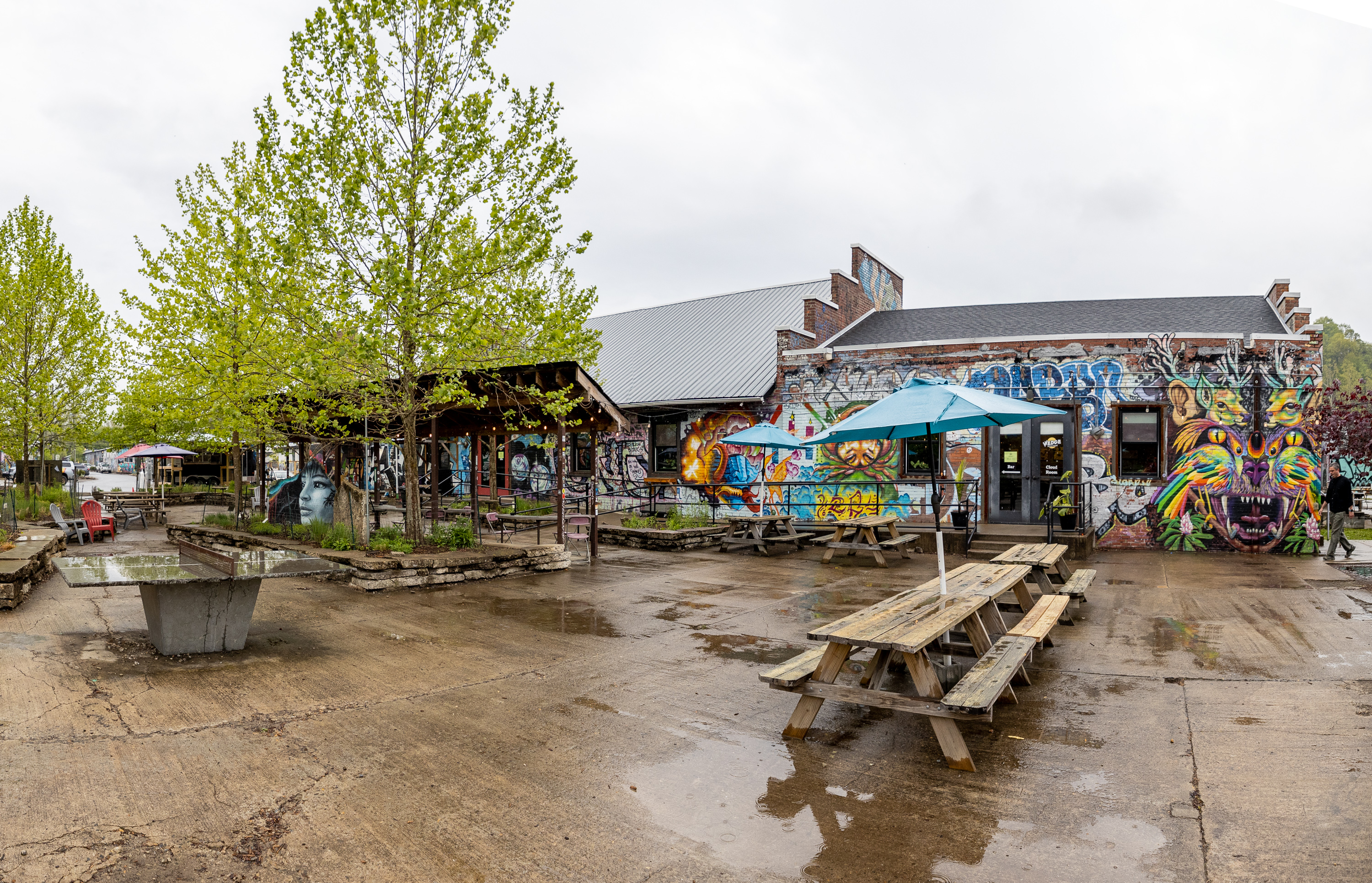
In the brewery’s outdoor seating area, there’s more presumably free decor provided by writers who painted here before this was a business. There are some newer pieces too, yes, but it’s not like the stuff on the roof was commissioned!

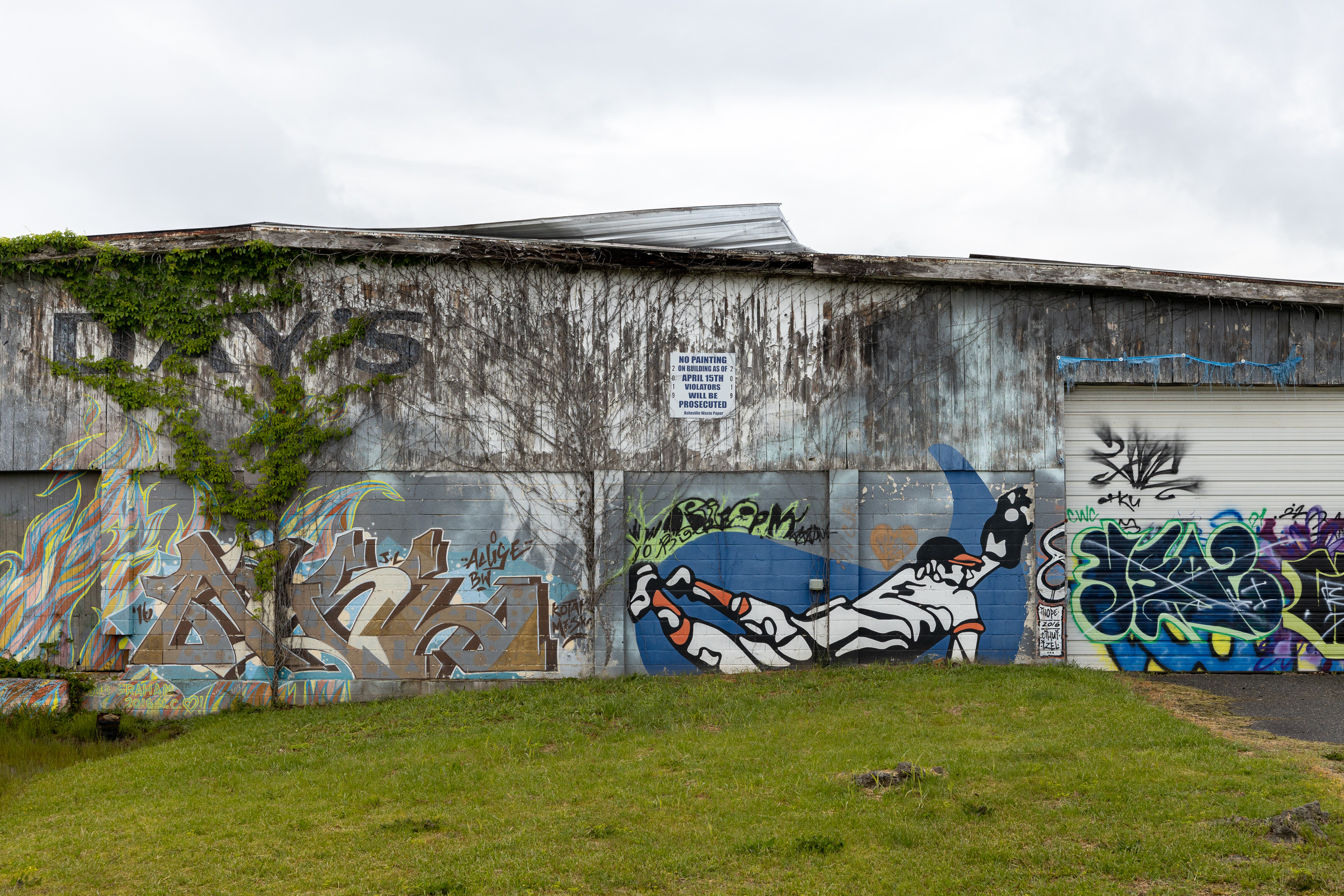
I also found an enormous wall that appears to formerly have been a freewall… But let’s take a closer look at that sign, shall we?
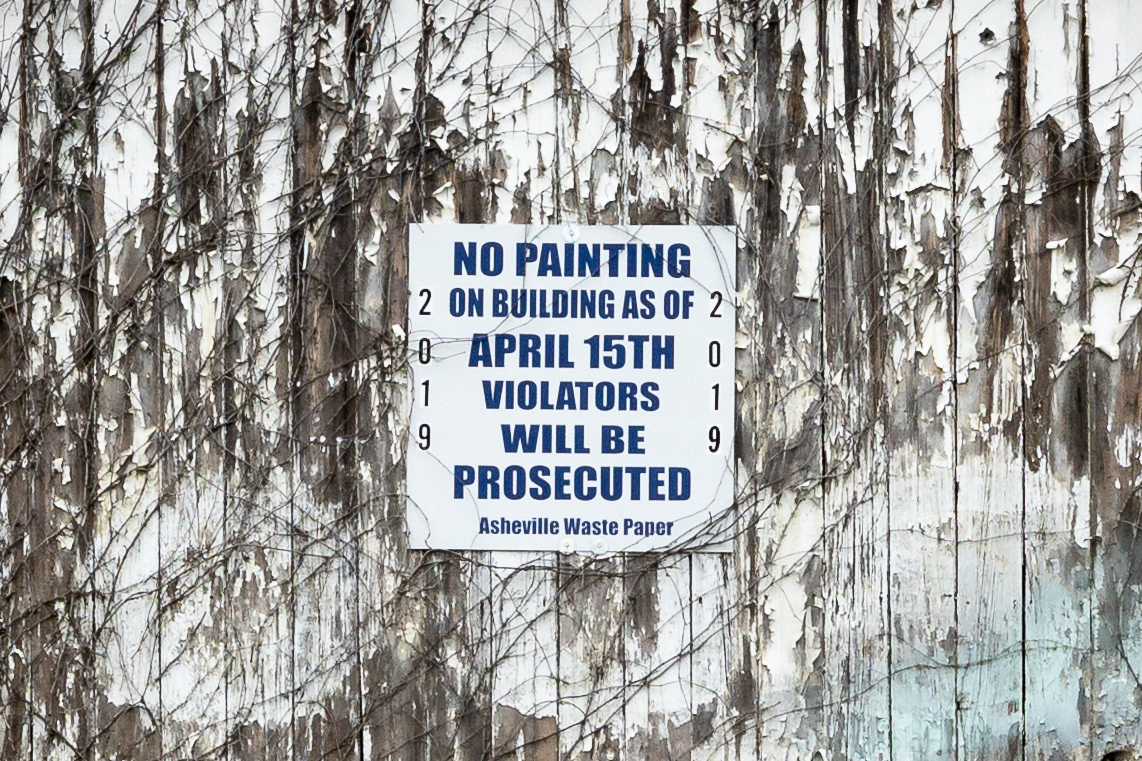
It looks like no one is allowed to paint here anymore. So is this building owner now another beneficiary of free work by artists who painted here before it was repurposed?
Before it became the River Arts District, this industrial area was long used by a different set of artists than currently inhabit it—the type who build their own skatepark out of beer cans.

And while the DIY skatepark is still there (and was being expanded by two guys while I was there), I think that some of the folks who used to make use of this area have been largely pushed out by more commercial art and more “acceptable” forms of art. Just take a look at this conversation between two graffiti writers:
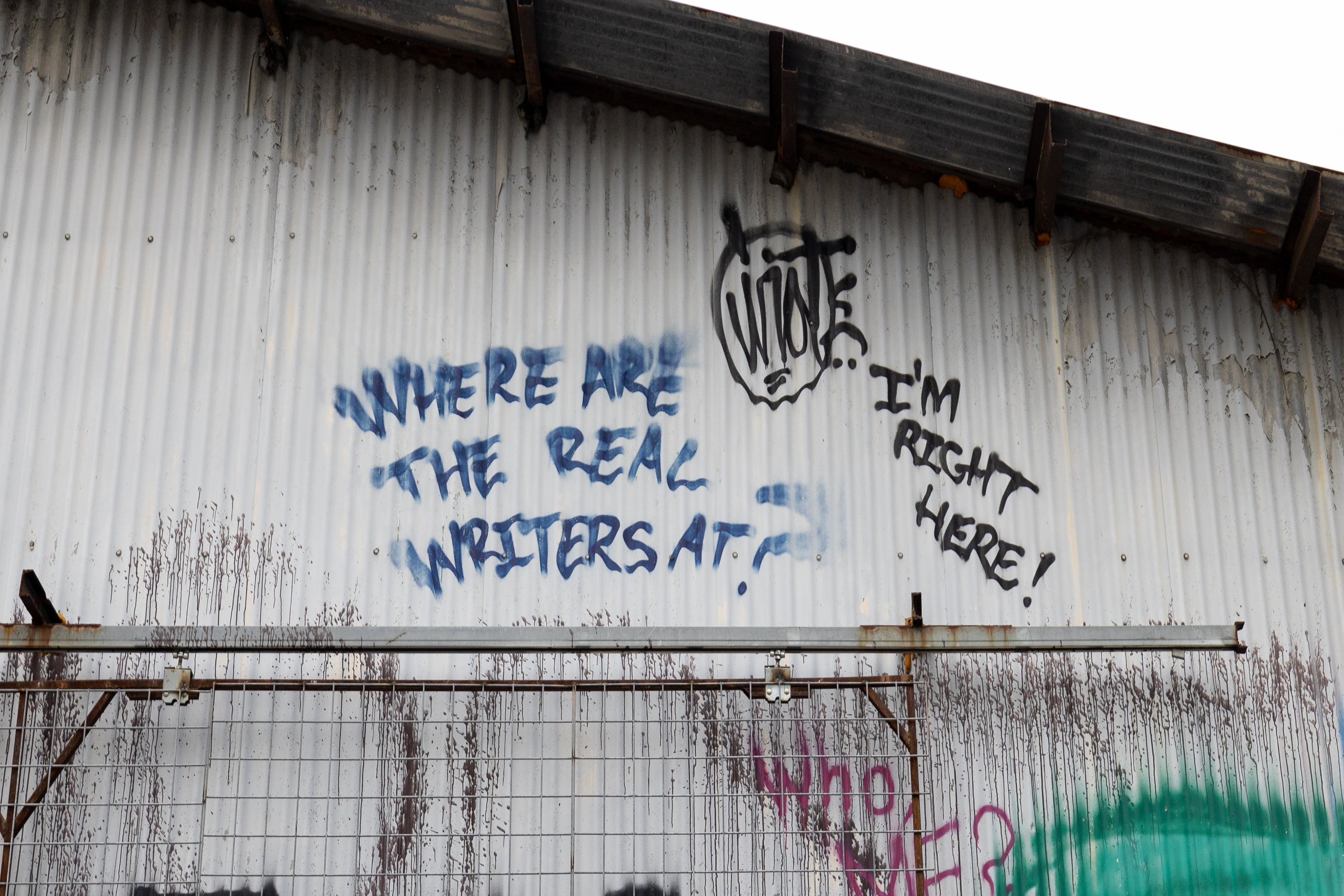
I read this as a critique of some of the art in the area. It may be almost entirely painted with spray paint, but to some people, that doesn’t necessarily make it graffiti. I suspect that the sanitization of the space that has clearly taken place at RAD has alienated some of the people who used to live and paint there. Even me writing about this feels like it contributes to the sanitization.
I think I got a taste of what the RAD area used to look like when I poked my head behind one of the buildings down there.
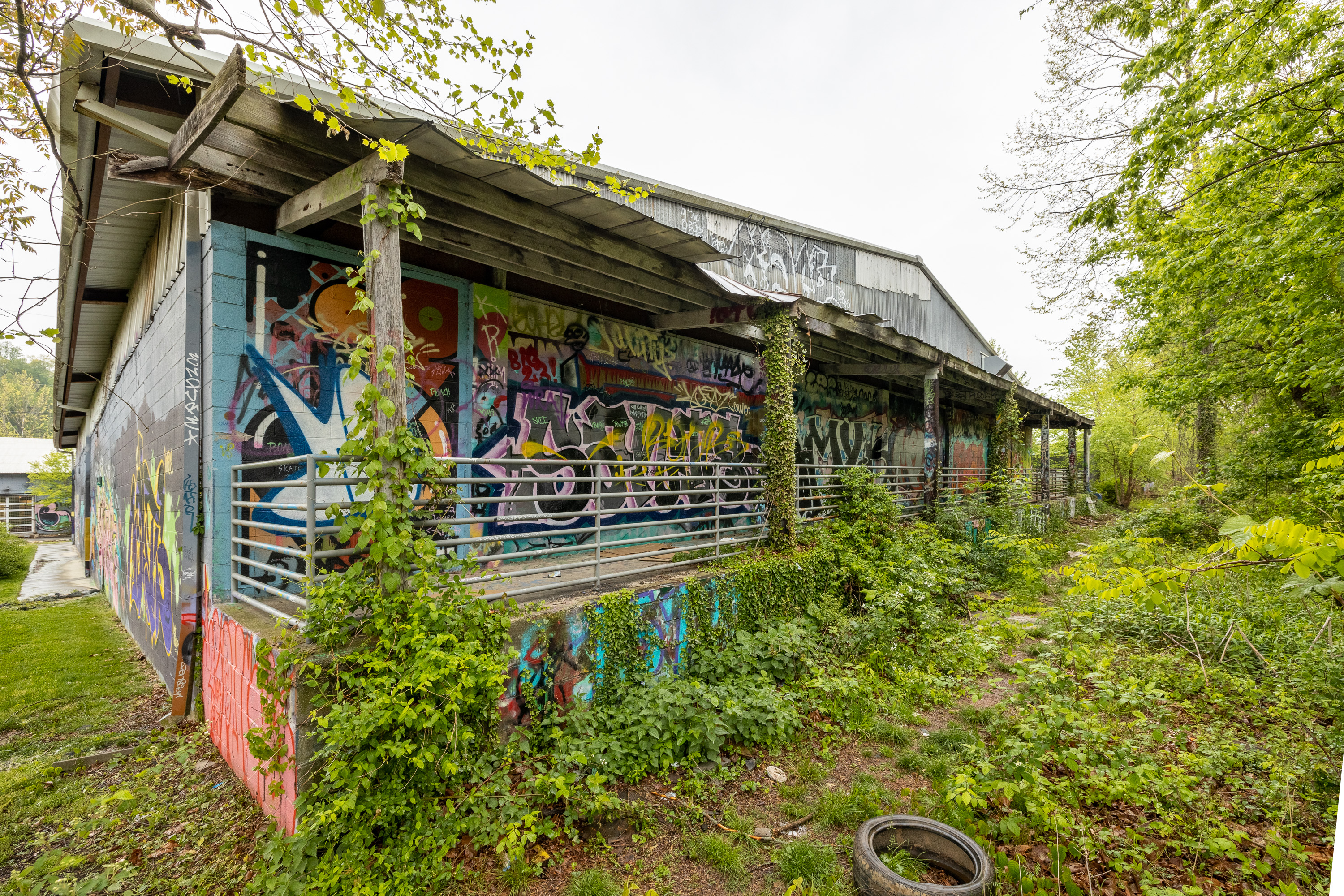
Personally, I think it’s important to have some gritty spaces like this where artists can do their thing—especially in a town like Asheville, which apparently has a very controversial and aggressive graffiti policy. (At one point, they attempted to make it a felony.) One article I read, which said Asheville’s method of dealing with graffiti is a terrible model, actually pointed to Mural Arts Philadelphia as a much better example. (That’s not to say that Philly is perfect!)
Again, a lot of this is just my intuition based on some details I noticed. But it seems to me like some forms of art in Asheville have been aggressively criminalized and marginalized while simultaneously being co-opted for their aesthetic.
What do you think?
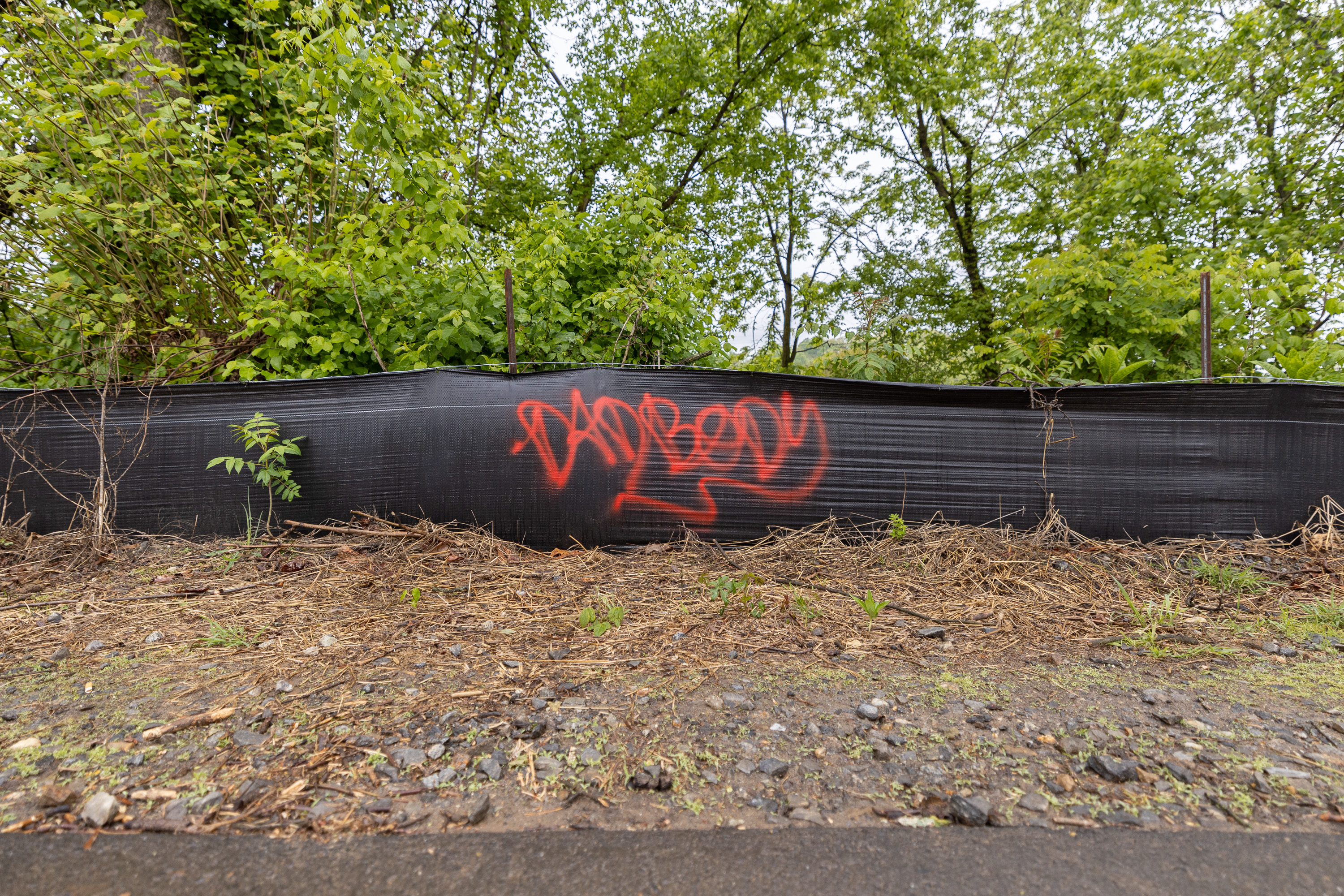
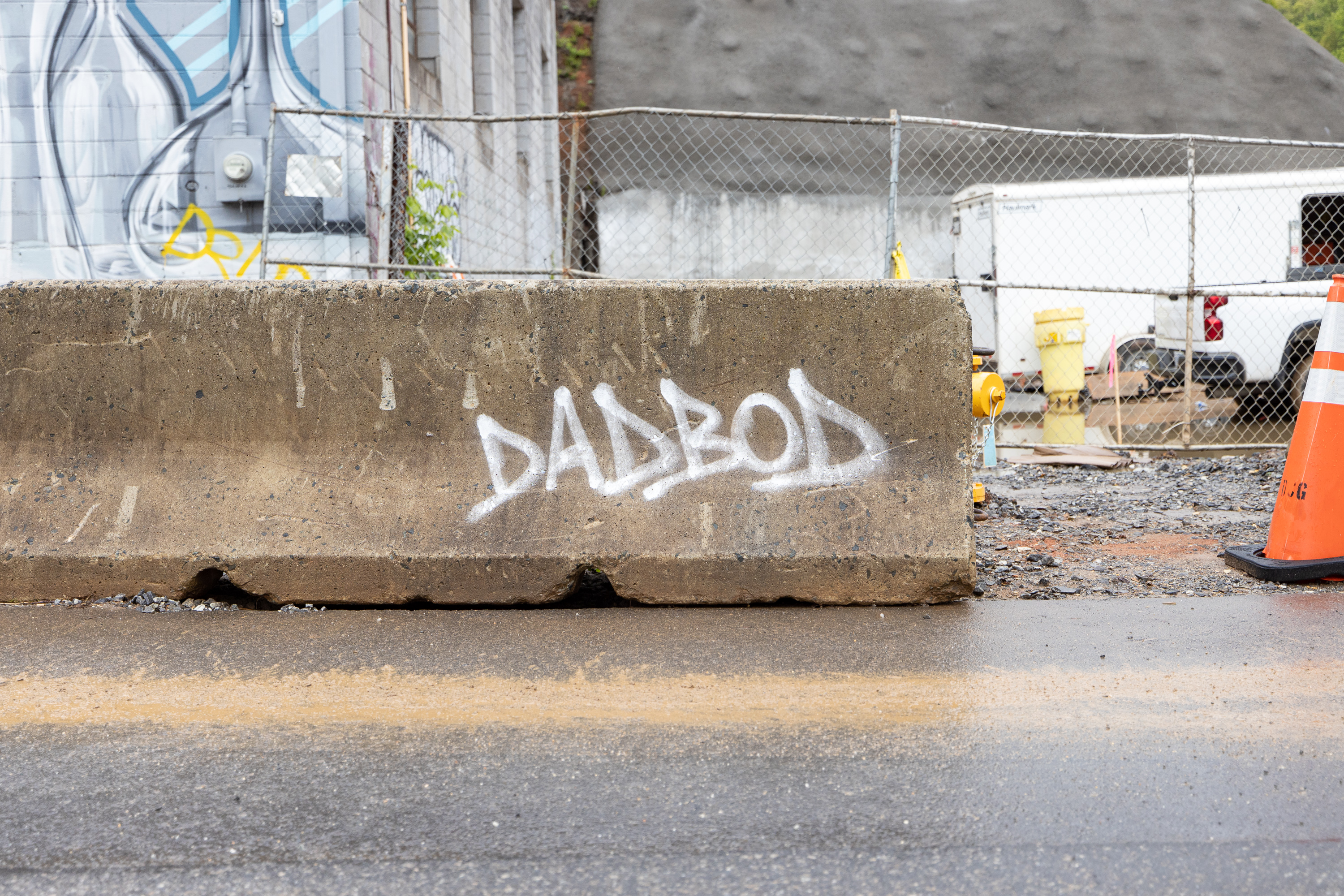
P.S. Shout-out to the graffiti writer who, as far as I can tell, is Asheville’s most prolific: Dad Bod!
 Streets Dept
Leave a comment