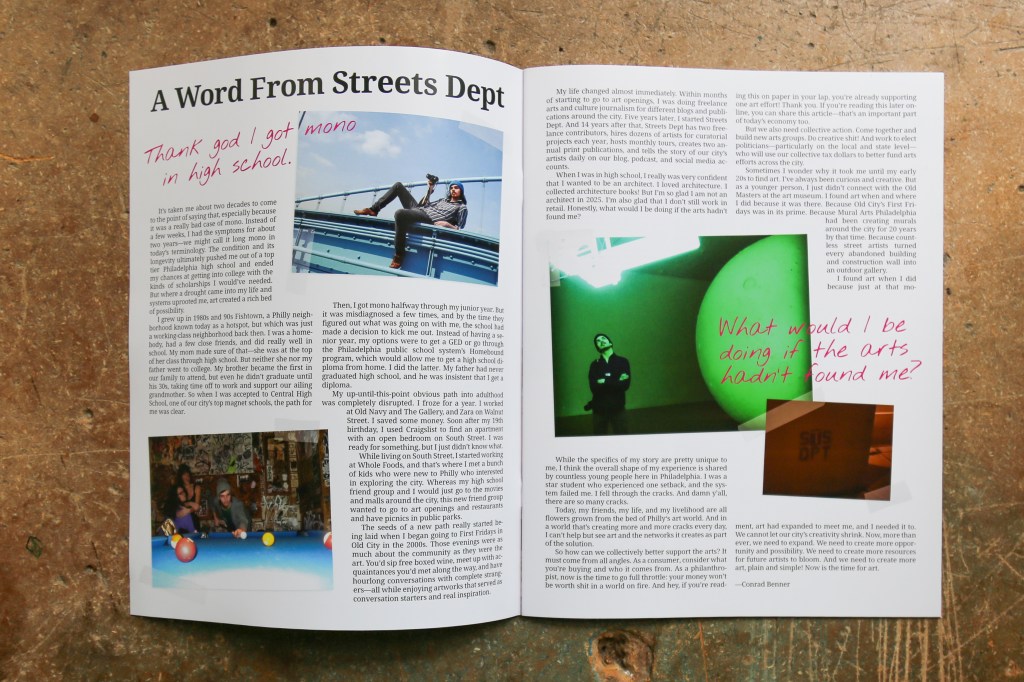

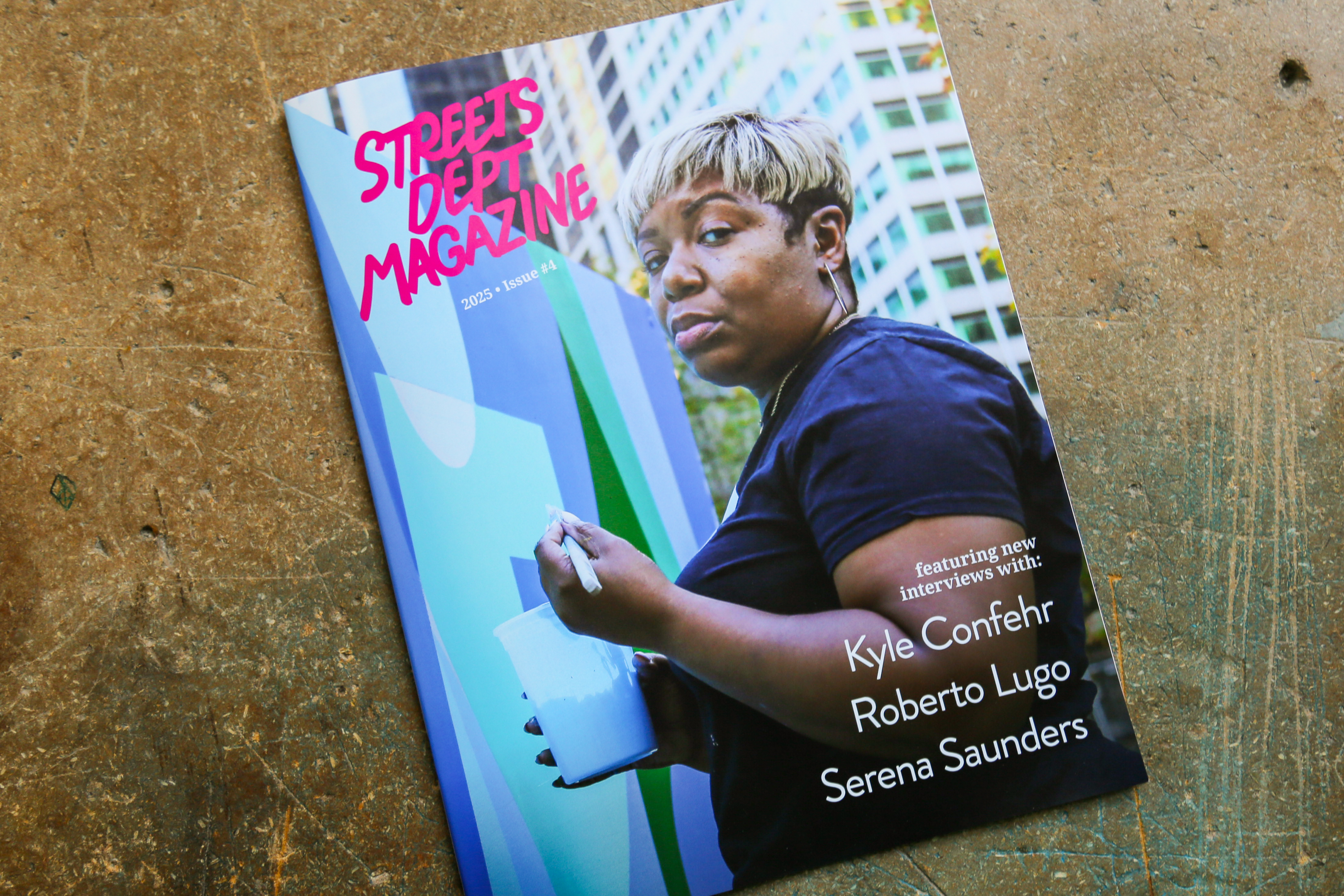
The following is the opening article from our 2025 Streets Dept Magazine. Typically, the articles and interviews we create for our annual magazine do not not leave the printed page. They never appear on the blog, and they’re never made bite-sized for social media videos. We do this, perhaps obviously, to incentivize you to make that purchase. We also see it as a way to really thank the people who do support us financially by offering them something special, something more. However, starting this year, we’re going to make one of our magazine articles public. Just one! This is to give anyone who’s been hovering over the purchase button for the last four issues a sense of what we create. Starting with this personal essay from myself.
The vast majority of our content has always been free. And, for those who are interested and able, by supporting our magazine you help to ensure that remains the case for many years to come!
––––––––––––––––––––––––––––
Thank God I got mono in high school.
It’s taken me about two decades to come to the point of saying that, especially because it was a really bad case of mono. Instead of a few weeks, I had the symptoms for about two years—we might call it long mono in today’s terminology. The condition and its longevity ultimately pushed me out of a top tier Philadelphia high school and ended my chances at getting into college with the kinds of scholarships I would’ve needed. But where a drought came into my life and systems uprooted me, art created a rich bed of possibility.
I grew up in 1980s and 90s Fishtown, a Philly neighborhood known today as a hotspot, but which was just a working-class neighborhood back then. I was a homebody, had a few close friends, and did really well in school. My mom made sure of that—she was at the top of her class through high school. But neither she nor my father went to college. My brother became the first in our family to attend, but even he didn’t graduate until his 30s, taking time off to work and support our ailing grandmother. So when I was accepted to Central High School, one of our city’s top magnet schools, the path for me was clear.

Then, I got mono halfway through my junior year. But it was misdiagnosed a few times, and by the time they figured out what was going on with me, the school had made a decision to kick me out. Instead of having a senior year, my options were to get a GED or go through the Philadelphia public school system’s Homebound program, which would allow me to get a high school diploma from home. I did the latter. My father had never graduated high school, and he was insistent that I get a diploma.
My up-until-this-point obvious path into adulthood was completely disrupted. I froze for a year. I worked at Old Navy and The Gallery, and Zara on Walnut Street. I saved some money. Soon after my 19th birthday, I used Craigslist to find an apartment with an open bedroom on South Street. I was ready for something, but I just didn’t know what.
While living on South Street, I started working at Whole Foods, and that’s where I met a bunch of kids who were new to Philly and interested in exploring the city. Whereas my high school friend group and I would just go to the movies and malls around the city, this new friend group wanted to go to art openings and restaurants and have picnics in public parks.
The seeds of a new path really started being laid when I began going to First Fridays in Old City in the 2000s. Those evenings were as much about the community as they were the art. You’d sip free boxed wine, meet up with acquaintances you’d met along the way, and have hourlong conversations with complete strangers—all while enjoying artworks that served as conversation starters and real inspiration.

My life changed almost immediately. Within months of starting to go to art openings, I was doing freelance arts and culture journalism for different blogs and publications around the city. Five years later, I started Streets Dept. And 14 years after that, Streets Dept has two freelance contributors, hires dozens of artists for curatorial projects each year, hosts monthly tours, creates two annual print publications, and tells the story of our city’s artists daily on our blog, podcast, and social media accounts.
When I was in high school, I was very confident that I wanted to be an architect. I loved architecture. I collected architecture books! But I’m so glad I am not an architect in 2025. I’m also glad that I don’t still work in retail. Honestly, what would I be doing if the arts hadn’t found me?
While the specifics of my story are pretty unique to me, I think the overall shape of my experience is shared by countless young people here in Philadelphia. I was a star student who experienced one setback, and the system failed me. I fell through the cracks. And damn y’all, there are so many cracks.
Today, my friends, my life, and my livelihood are all flowers grown from the bed of Philly‘s art world. And in a world that’s creating more and more cracks every day, I can’t help but see art and the networks it creates as part of the solution.
So how can we collectively better support the arts? It must come from all angles. As a consumer, consider what you’re buying and who it comes from. As a philanthropist, now is the time to go full throttle: your money won’t be worth shit in a world on fire. And hey, if you’re reading this on paper in your lap, you’re already supporting one art effort! Thank you. If you’re reading this later online, you can share this article—that’s an important part of today’s economy too.
We also need collective action. Come together and build new arts groups. Do creative shit! And work to elect politicians—particularly on the local and state level—who will use our collective tax dollars to better fund arts efforts across the city.

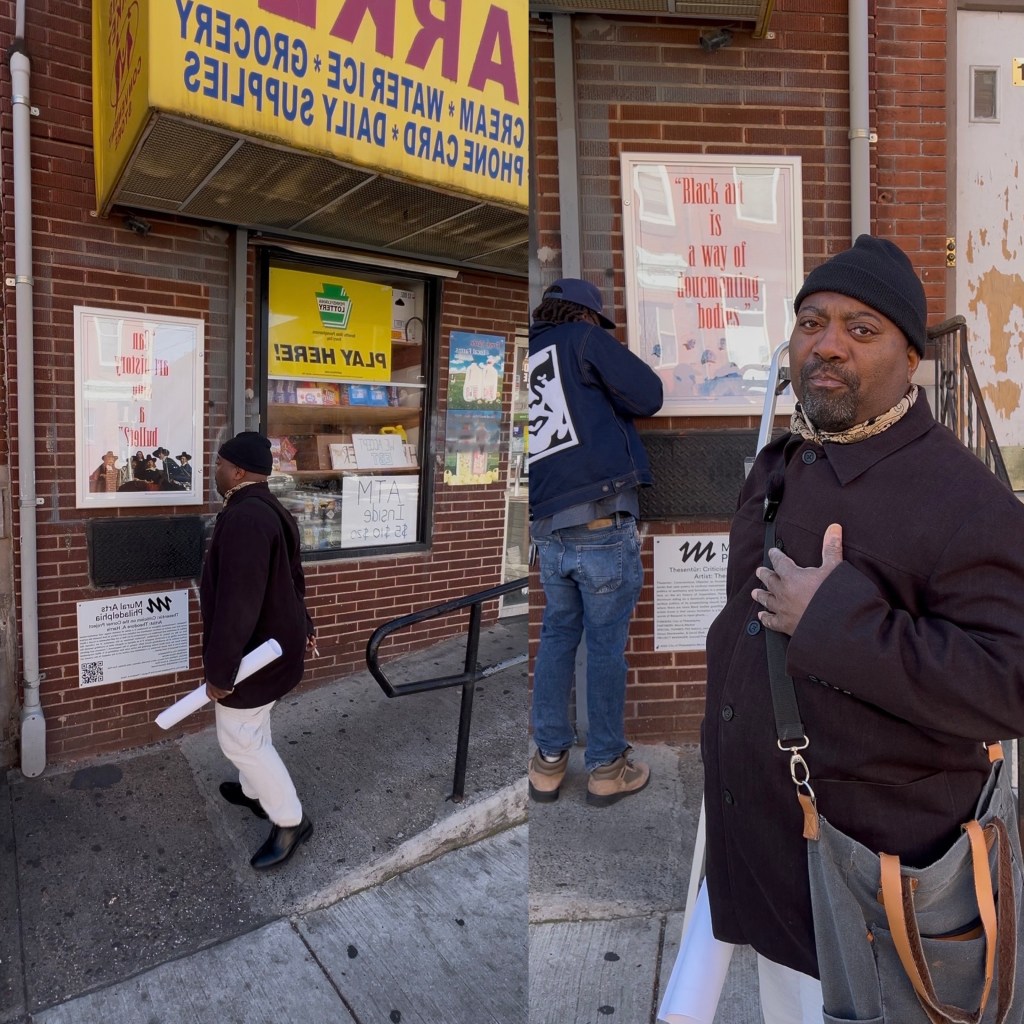
Sometimes I wonder why it took me until my early 20s to find art. I’ve always been curious and creative. But as a younger person, I just didn’t connect with the Old Masters at the art museum. I found art when and where I did, because it was there. Because Old City’s First Fridays was in its prime. Because Mural Arts Philadelphia had been creating murals around the city for 20 years by that time. Because countless street artists turned every abandoned building and construction wall into an outdoor gallery.
I found art when I did because just at that moment, art had expanded to meet me, and I needed it to. We cannot let our city’s creativity shrink. Now, more than ever, we need to expand. We need to create more opportunity and possibility. We need to create more resources for future artists to bloom. And we need to create more art, plain and simple! Now is the time for art.
 Streets Dept
Leave a comment