
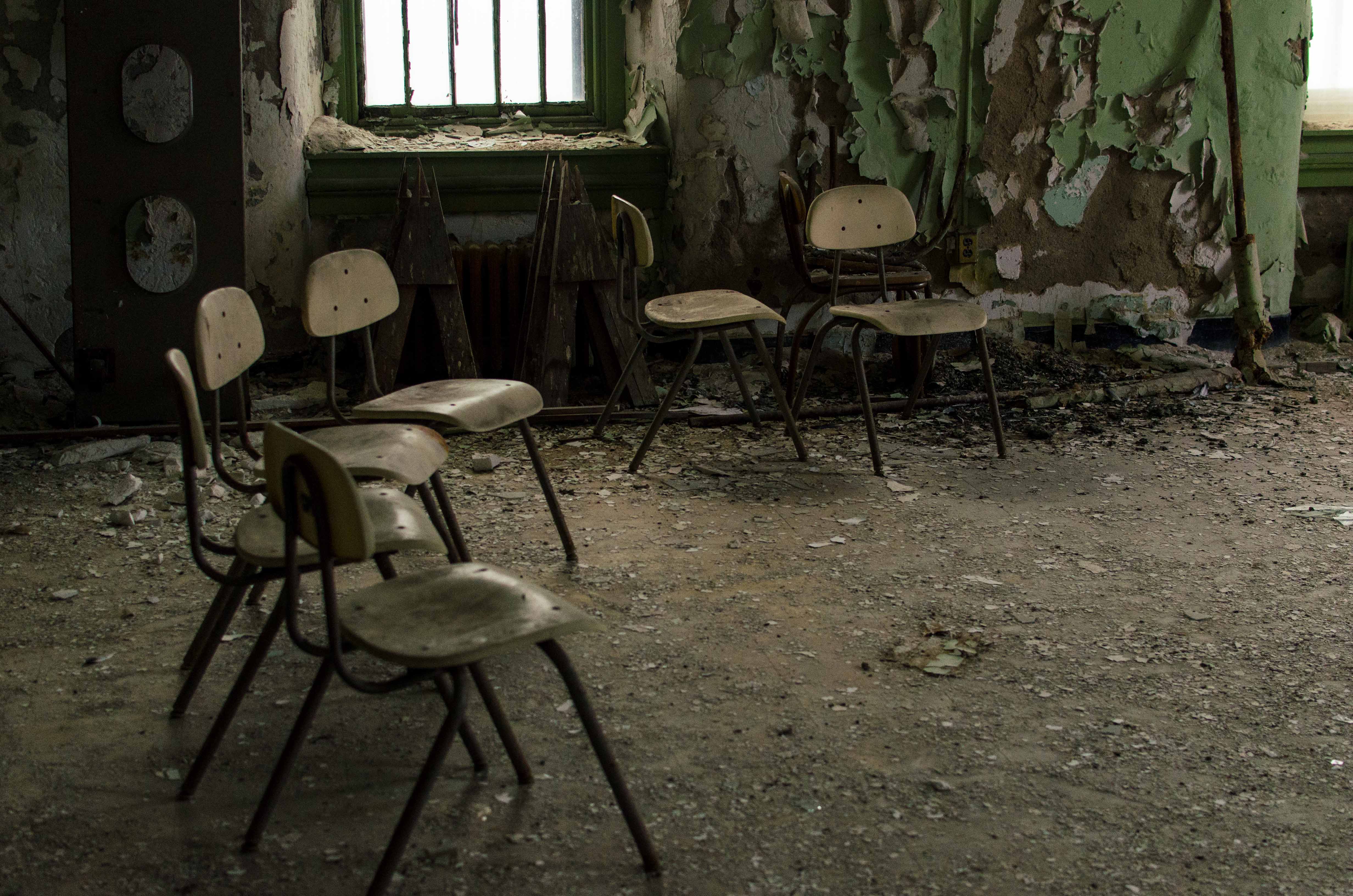
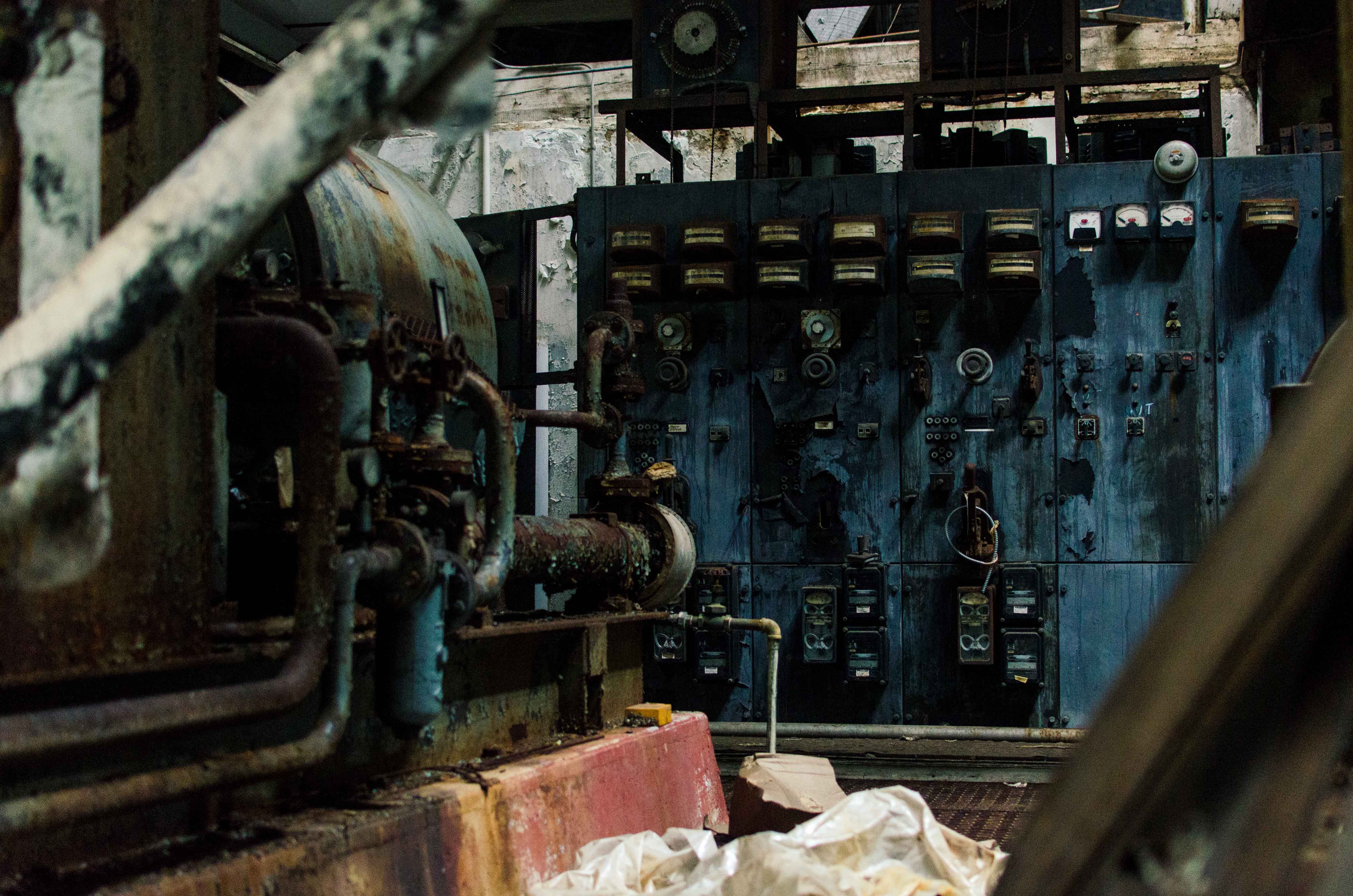

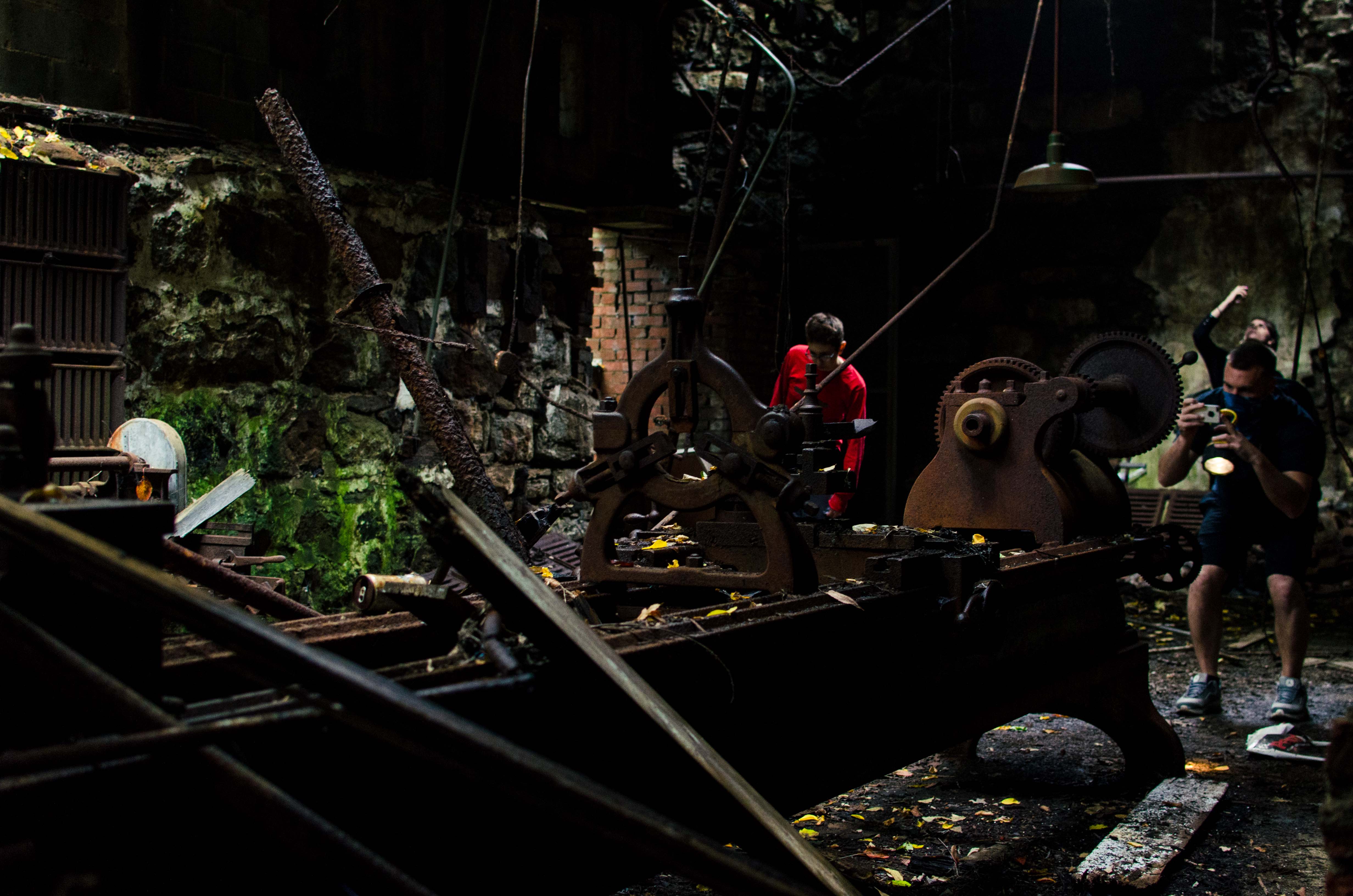
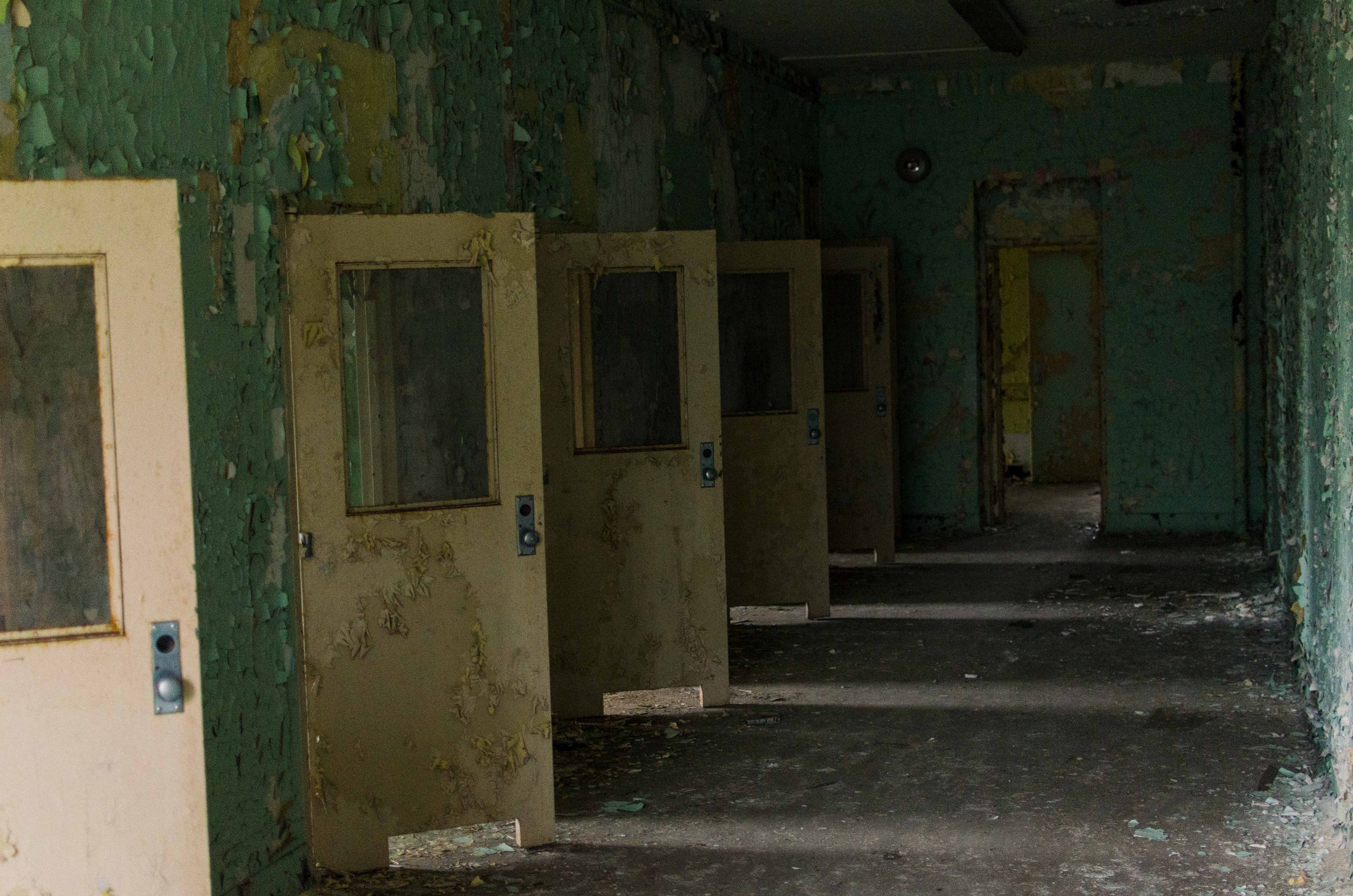
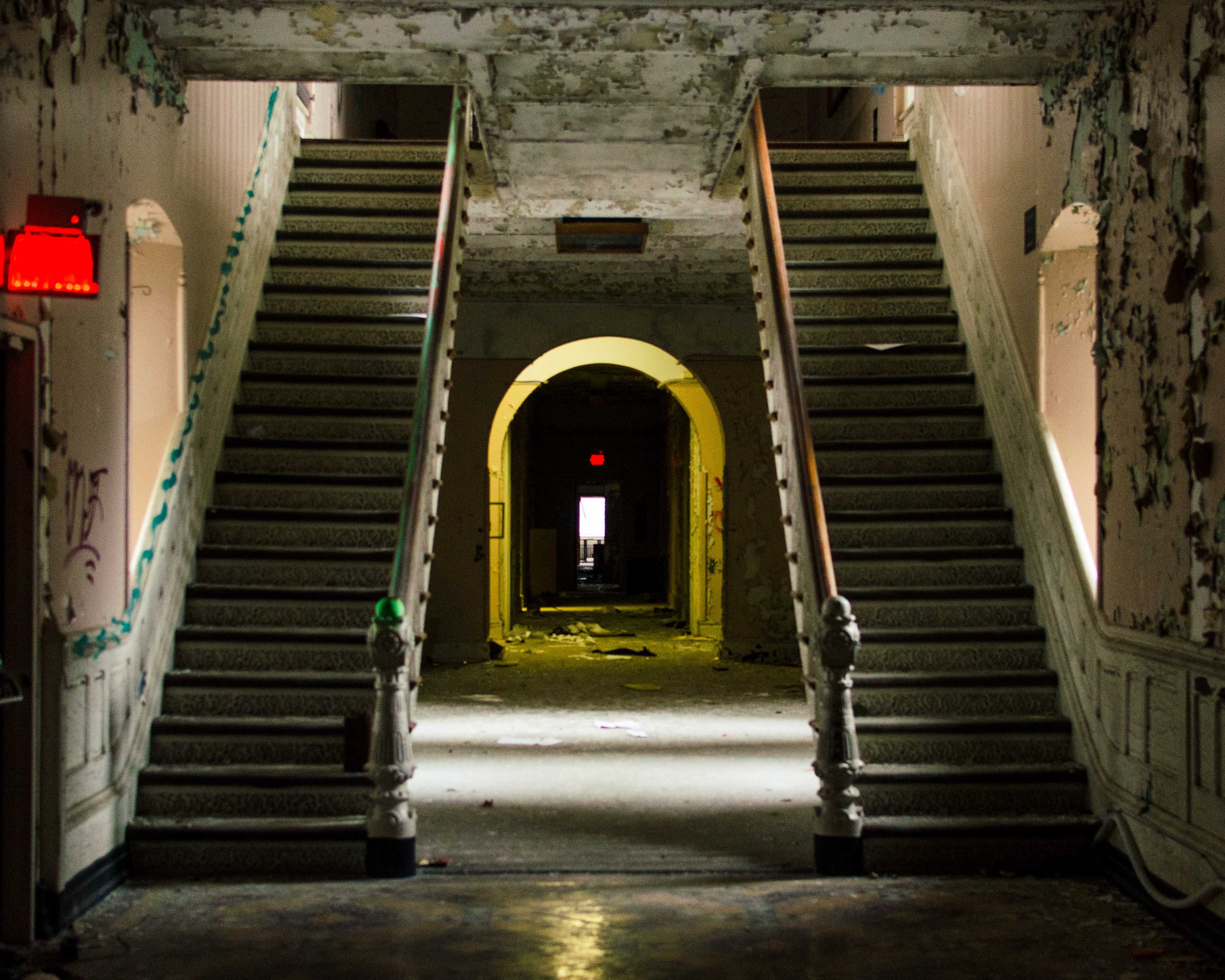

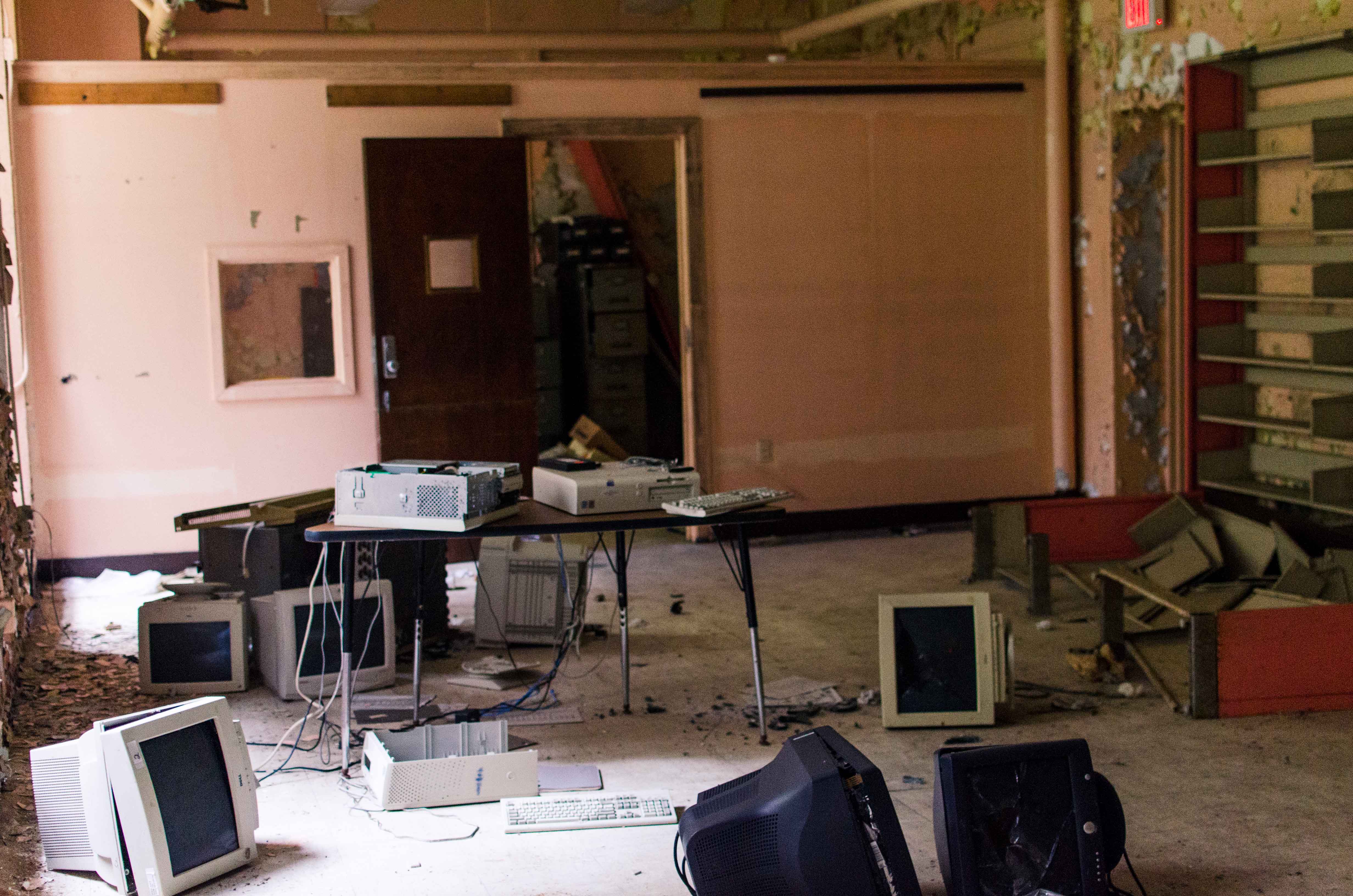
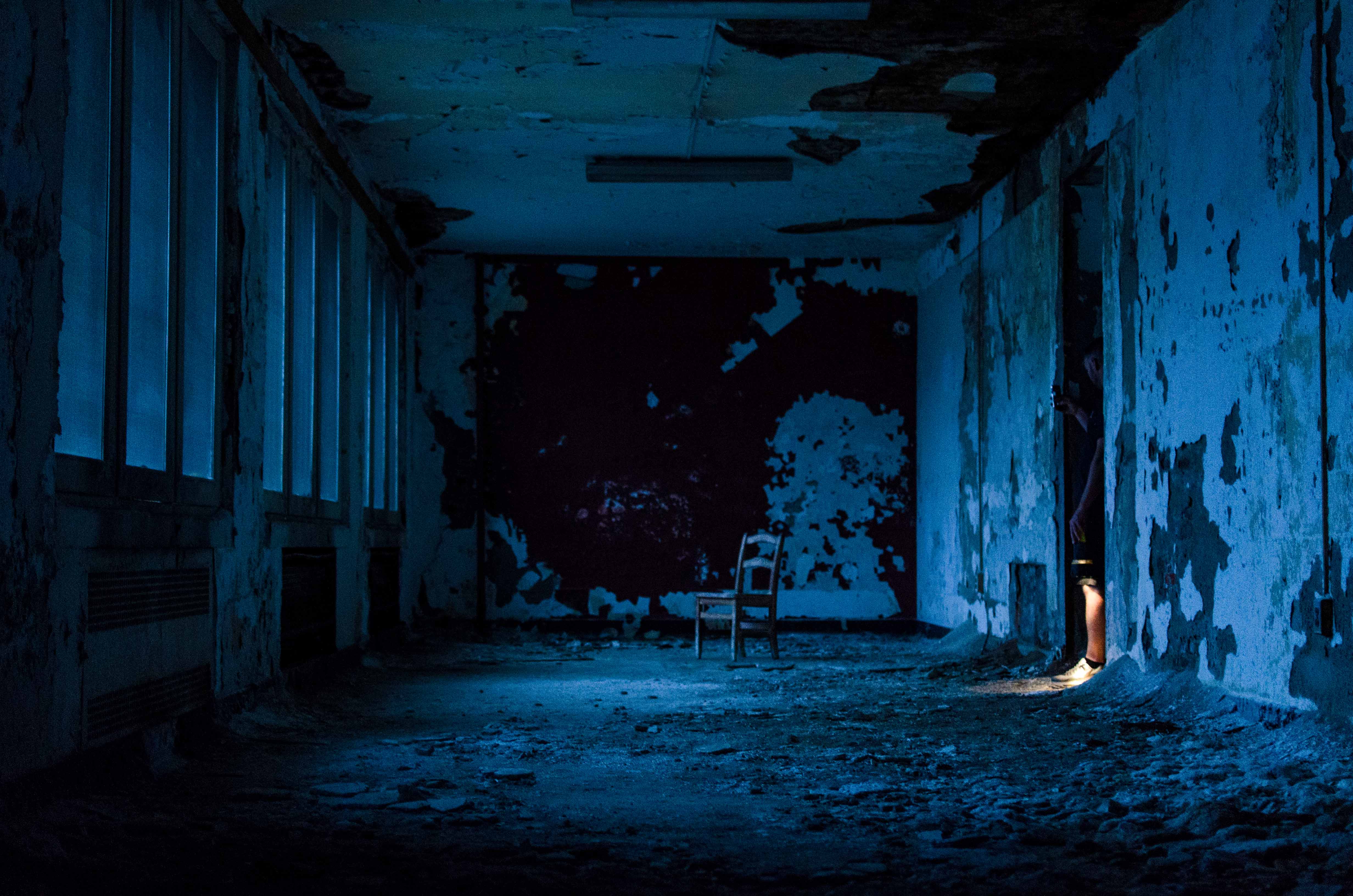
(Photos by LightFoot)
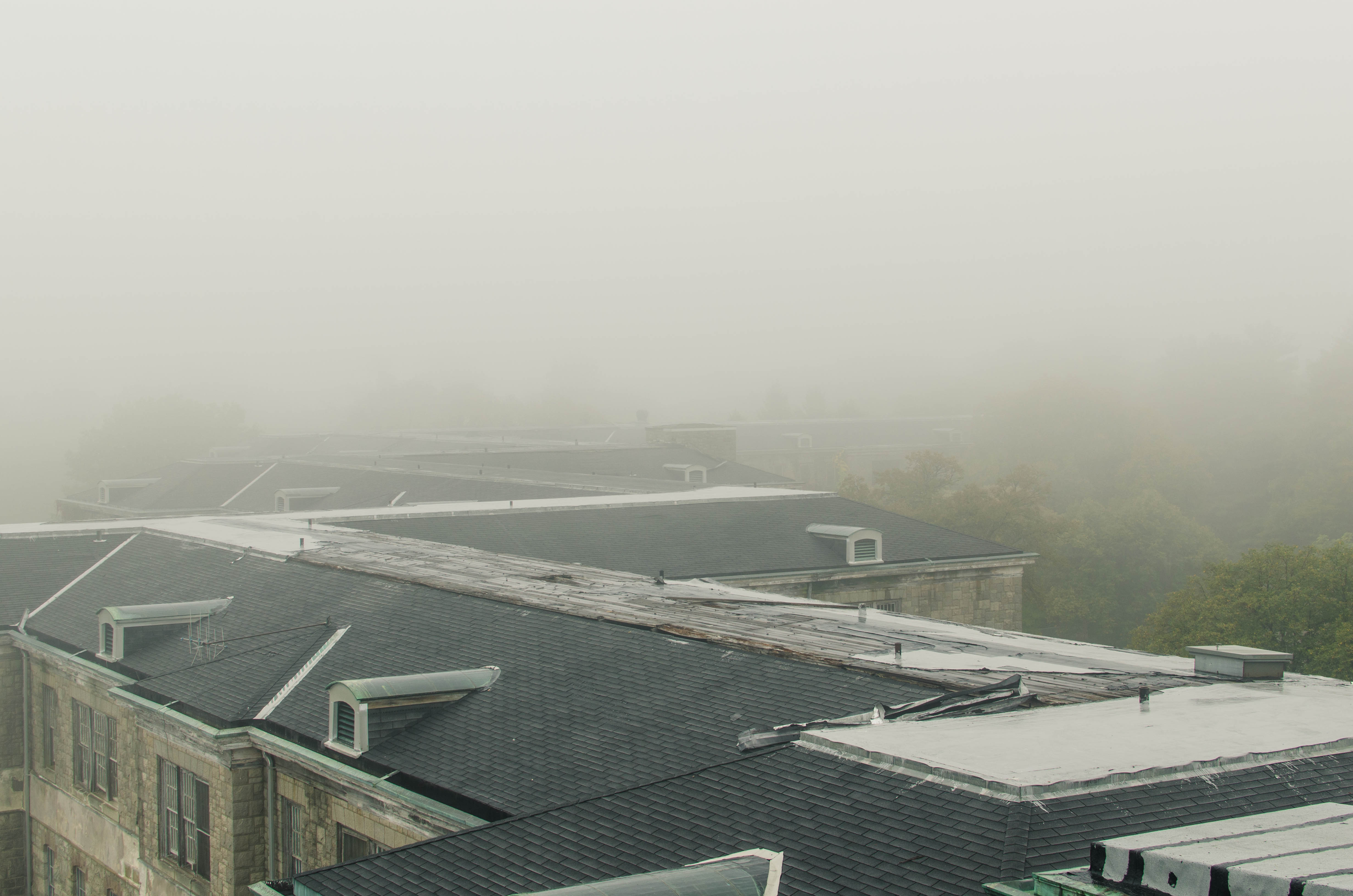
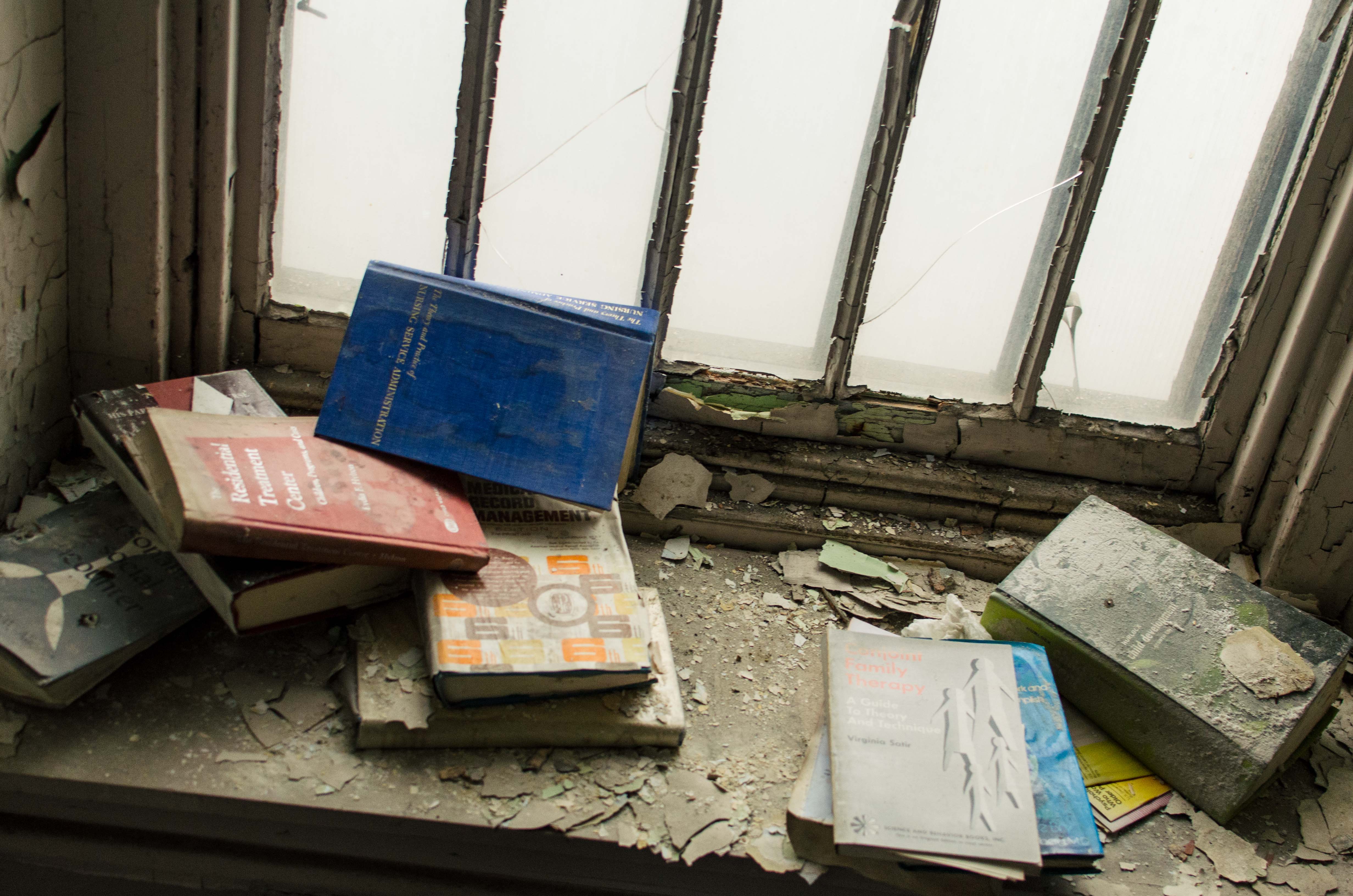
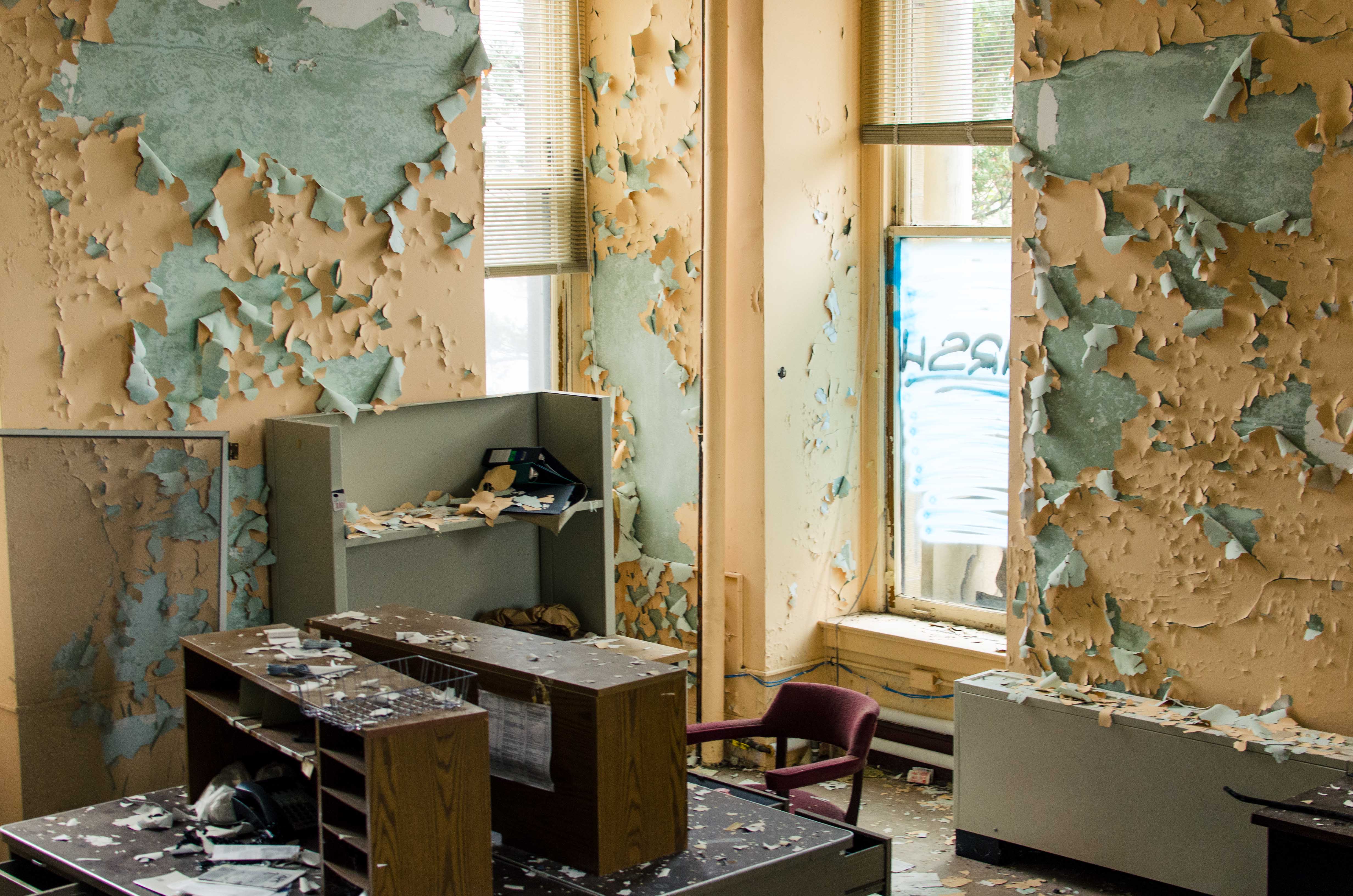
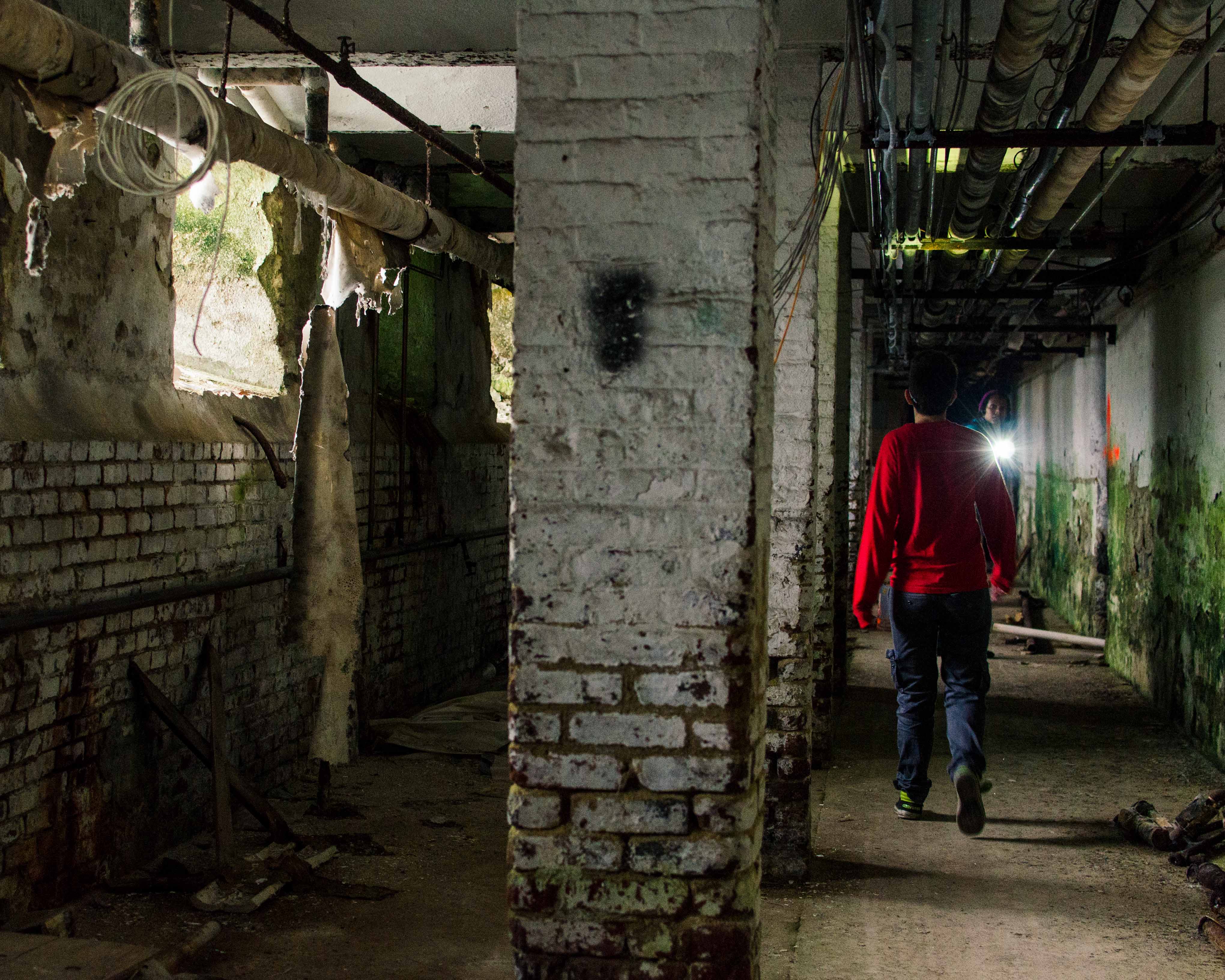
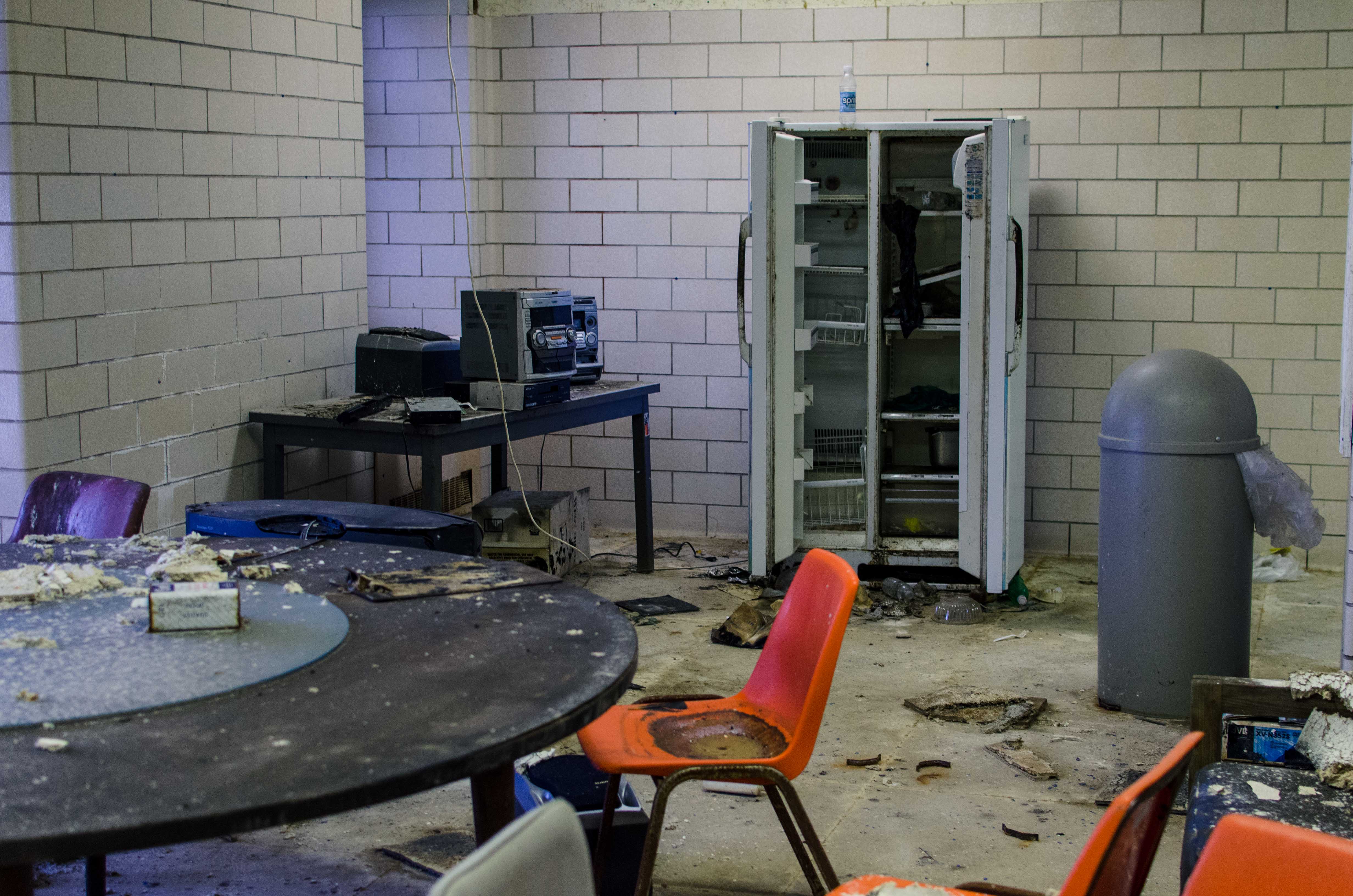
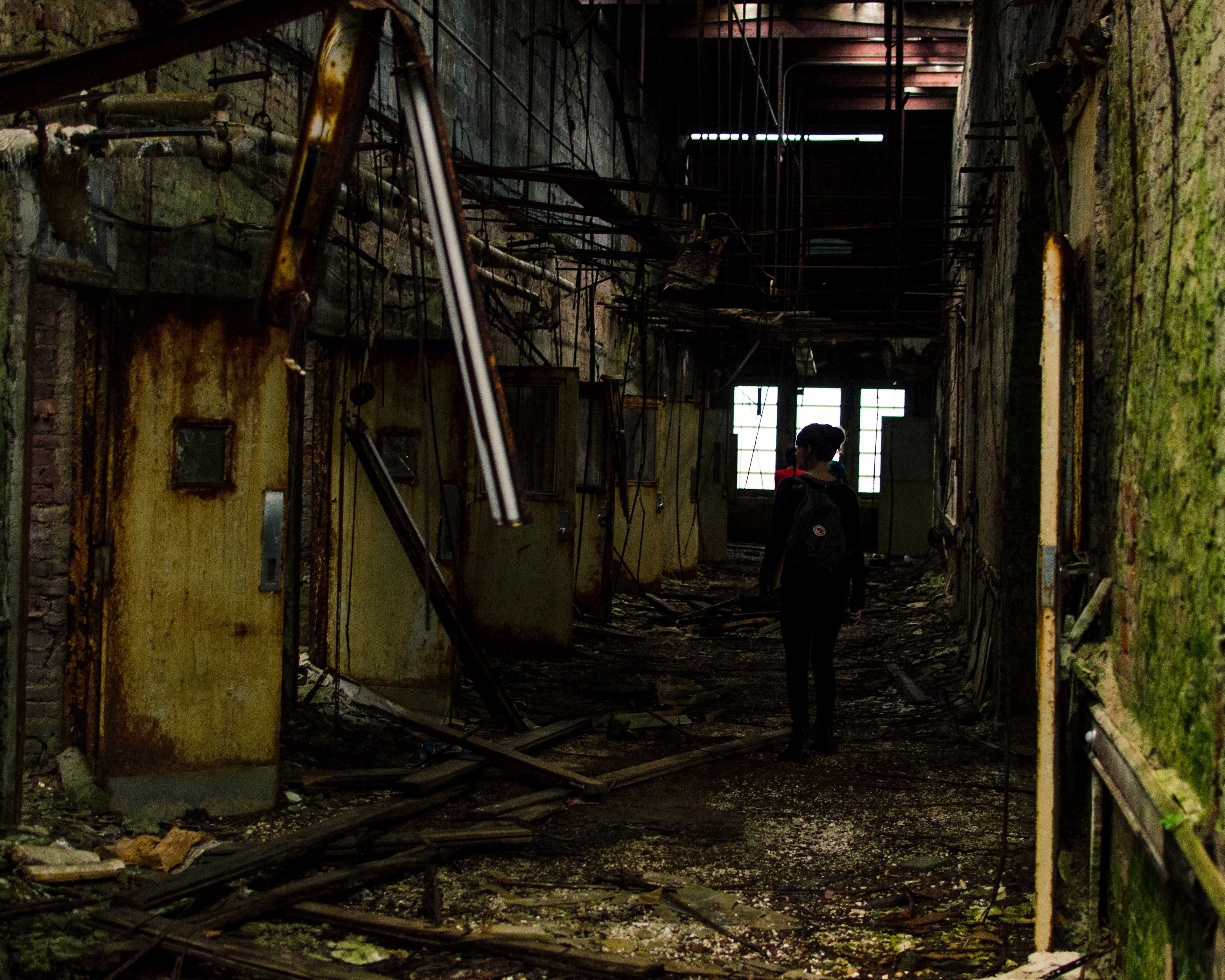
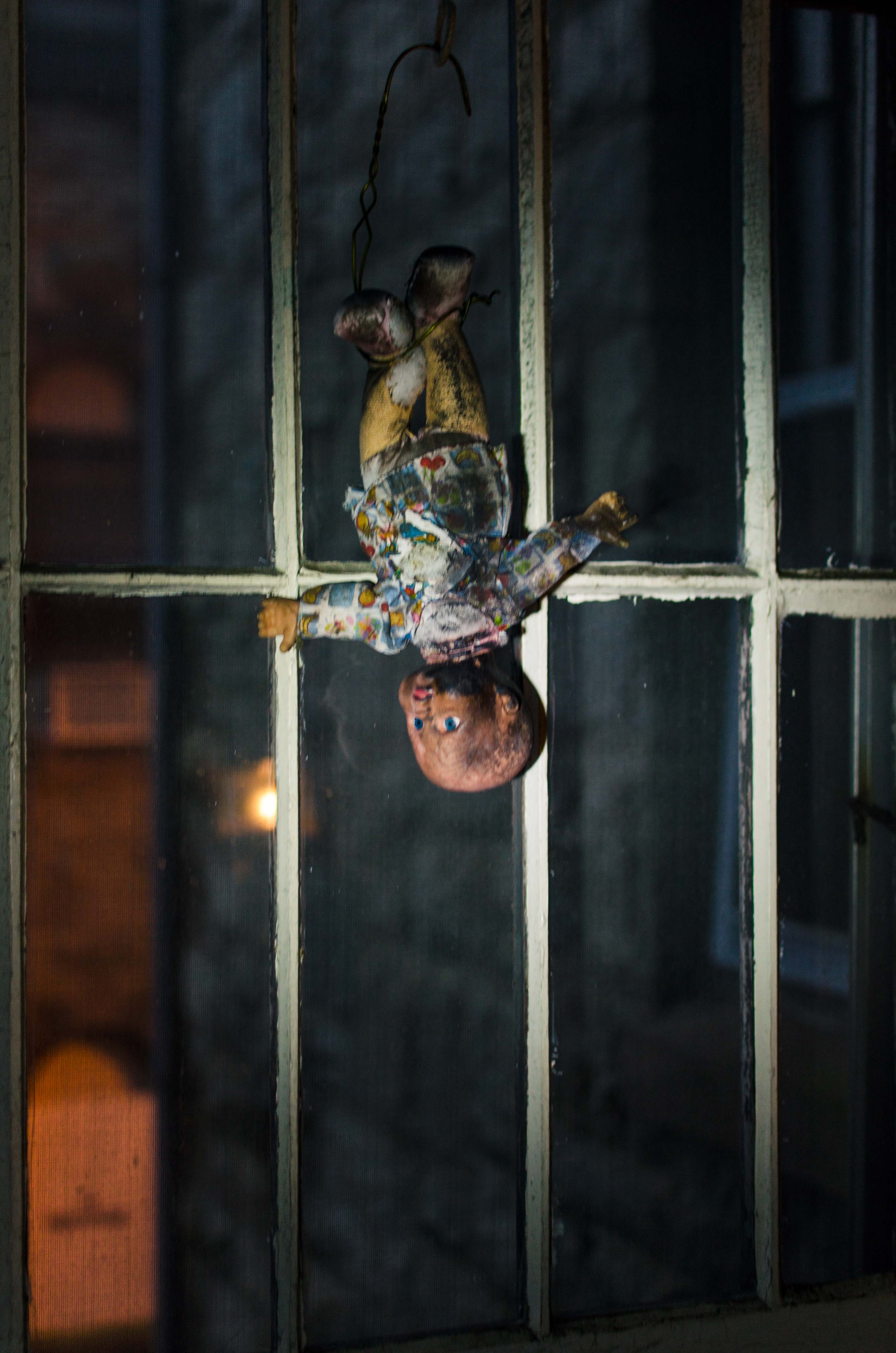
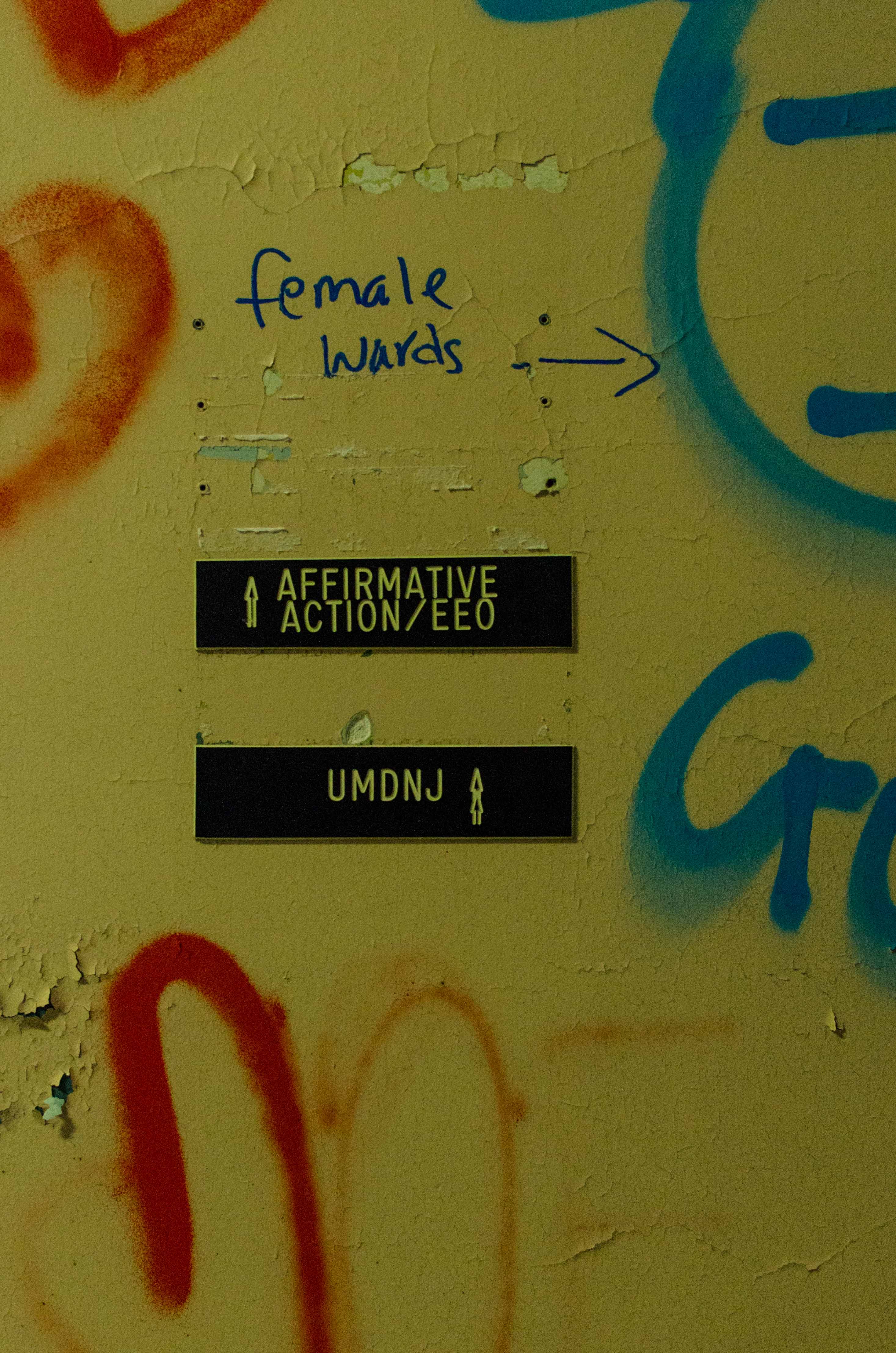
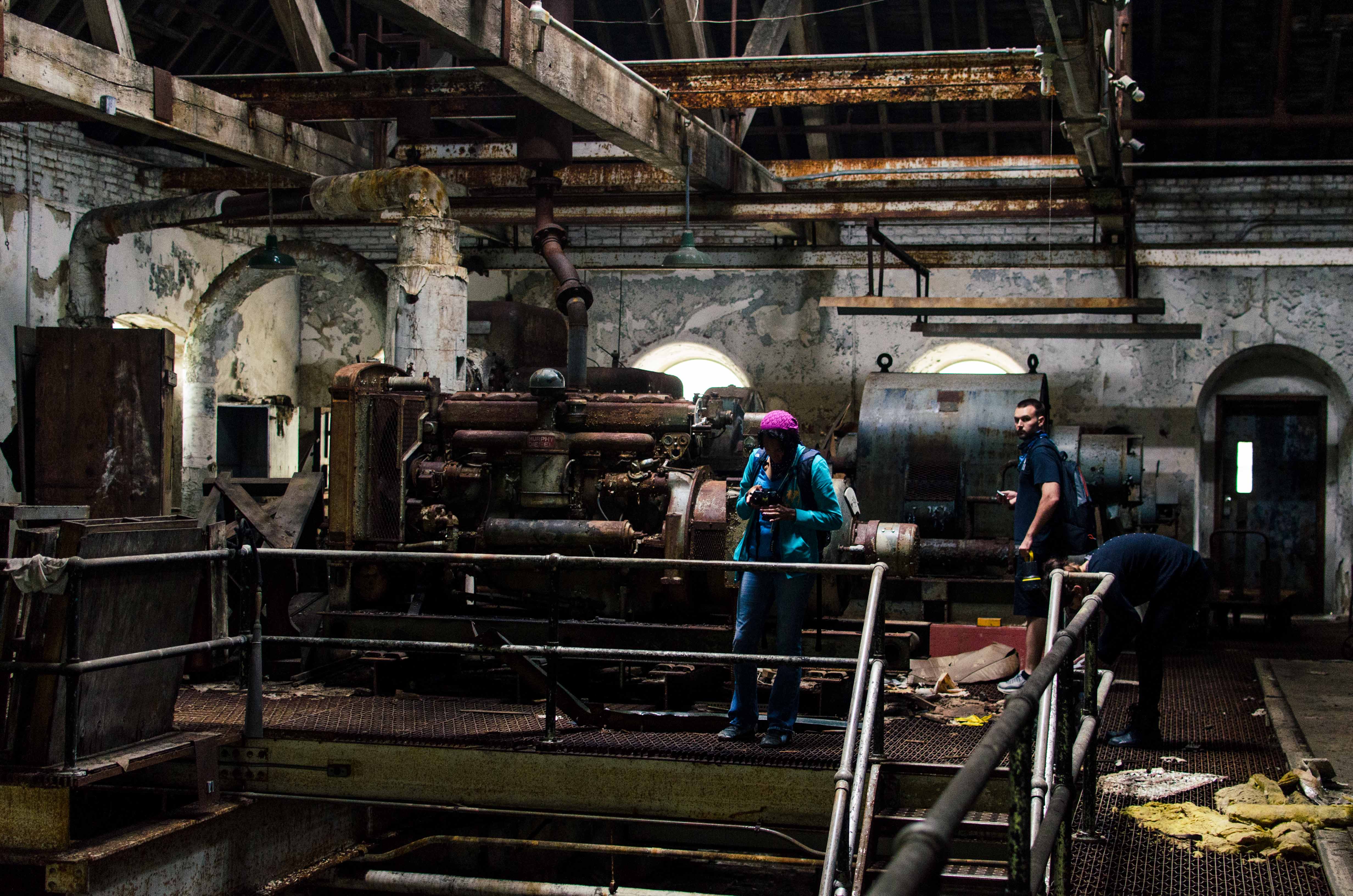
Amazing, AMAZING photos today from photographer LightFoot exploring the soon-to-be demolished Greystone Psychiatric Hospital in Morris Plains, New Jersey.
Check out more photos, and some background on the buildings, below…
“Built in 1877 to clear some of the overcrowding at the Trenton based Lunatic Asylum, Greystone was quickly afflicted with the same problem. In the beginning, it encompassed over 40 buildings split over two massive wings. The newly built hospital even had employee apartments, and the finest furnishing for the patients including wool rugs, pianos, and fresh flowers in all of the wards. Following the Kirkbride Plan, a list of ideals pertaining to hospital design created by Thomas Story Kirkbride, Greystone was supposed to be an ideal rehabilitation center for the insane and mentally challenged.
By 1895, the hospital was almost 150% over capacity housing an additional 325 patients in cots set up in hallways, empty rooms, and janitor’s lockers. By 1901 new dorms were built, and by 1903 the overcrowding problems were back again. The sheer number of patients stuffed in to every available piece of space left led to unsanitary conditions and the hospital population was ravaged by disease, most notable of which was an outbreak of Typhoid fever.
The years after World War I saw increased funding being funneled in to state institutions partially to help treat returning soldiers with PTSD. The hospital added new dorms, social services wings, and greatly expanded it’s treatment options including opening a TB Treatment Center and a facility for it’s senile members. By 1935, almost 5,000 patients called Greystone home.
After World War II Greystone once again saw a huge surge in patients afflicted with PTSD, growing it’s population to roughly 7,600 residents – the largest number of residents the complex would ever see. Despite tons of new buildings, the “golden days” of the hospital were long behind it as the 70’s saw a movement to deinstitutionalize America. Two factors caused this sudden change. New psychological drugs were able to control patients much more effectively than previous methods ever could, and suddenly dangerous patients were capable of existing in their community in a less harmful state. Secondly, laws were passed in the 1970s forbidding patients to work unless paid fairly, which meant at least minimum wage. Suddenly hospital costs skyrocketed, as patients were no longer able to work in order to defray fees.
From that point on, Greystone saw a slow death that dragged on from the late 70’s to the very early 2000’s when the last of the buildings was finally shuttered and the remaining patents were transferred to nearby hospitals. During this time, abuse cases and patient escapes skyrocketed, leaving Greystone with a permanently tarnished reputation.” -LightFoot



 Streets Dept
Leave a reply to Erica Nagurney Cancel reply